

Industry News


Archery Scopes Explained: How They Work
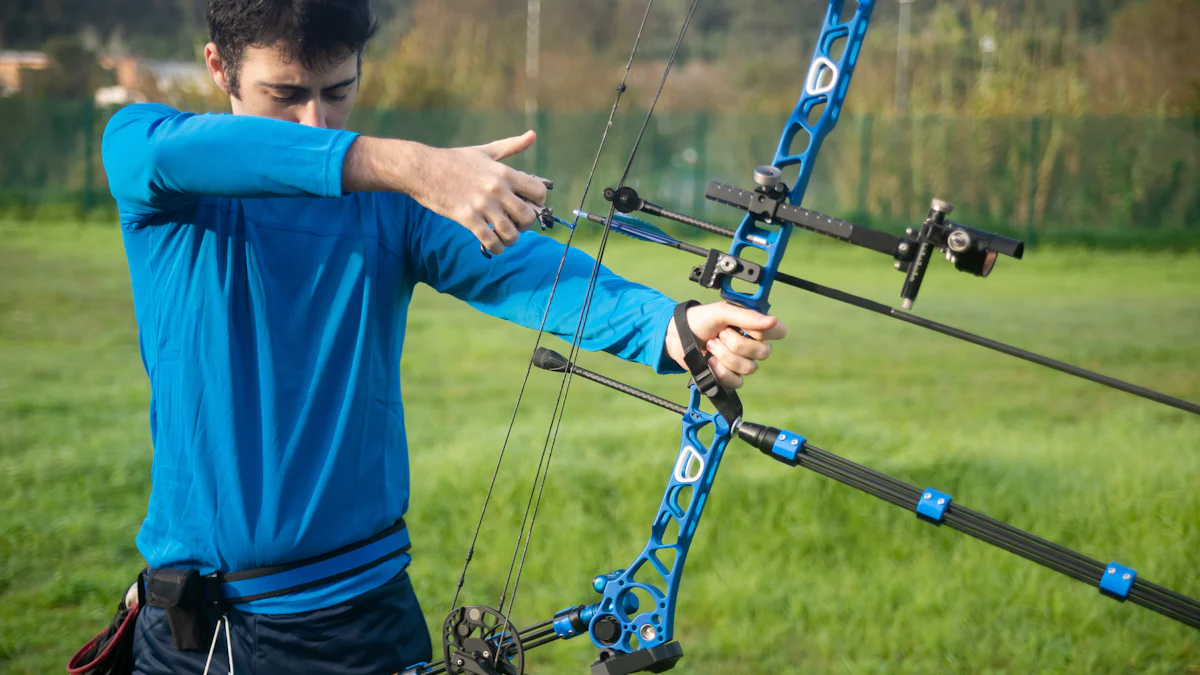
Archery scopes help you aim with precision by providing a clear visual reference point. These archery scopes guide your focus, making it easier to align your shot with the target. They utilize lenses, pins, or reticles to create a dependable aiming system. When you draw your bow, the archery scope ensures your aim remains steady and accurate. Whether you're a beginner or a seasoned archer, archery scopes can transform your shooting experience by enhancing consistency and boosting confidence.
Key Takeaways
- Archery scopes enhance aiming precision by providing a clear visual reference, making it easier to hit your target consistently.
- Understanding the key components of archery scopes, such as lenses and reticles, is crucial for effective setup and use.
- Using an archery scope boosts your confidence and consistency, allowing for a more enjoyable shooting experience.
- Practice at shorter distances before moving to longer ranges to build your skills and confidence with the scope.
- Regular maintenance, including cleaning the lens and checking for loose parts, ensures your scope performs reliably over time.
- Consider your shooting style and environment when choosing between different types of scopes, such as fixed-pin or magnified options.
- Patience and practice are essential; every archer, regardless of skill level, can improve with time and dedication.
Purpose of Archery Scopes
Why Archery Scopes Are Used
Archery scopes play a vital role in improving your accuracy. They give you a clear point of reference, helping you aim with precision. Without a scope, it’s easy to misjudge your target, especially at longer distances. These tools simplify the aiming process by guiding your focus directly to the target. Whether you're hunting, competing, or practicing, a scope ensures your shots land where you intend.
For beginners, archery scopes make learning easier. They reduce the guesswork involved in aiming. For experienced archers, they enhance performance by providing consistency. If you’ve ever struggled with hitting the bullseye, a scope can be the game-changer you need. It bridges the gap between your skill level and your desired accuracy.
Benefits of Using Archery Scopes
Using an archery scope offers several advantages. First, it boosts your confidence. When you know your aim is steady, you feel more assured with every shot. Second, it improves your consistency. A scope helps you develop a repeatable shooting process, which is essential for long-term success.
Another benefit is versatility. Modern scopes come with features like adjustable pins or magnification, allowing you to adapt to different shooting conditions. Whether you're aiming at a stationary target or a moving one, a scope gives you the flexibility to adjust your aim accordingly.
Lastly, archery scopes save time. Instead of spending hours trying to perfect your aim through trial and error, a scope helps you achieve accuracy faster. This efficiency makes your practice sessions more productive and enjoyable.
"Archery scopes are not just tools; they’re confidence boosters that transform your shooting experience."
Components of Archery Scopes
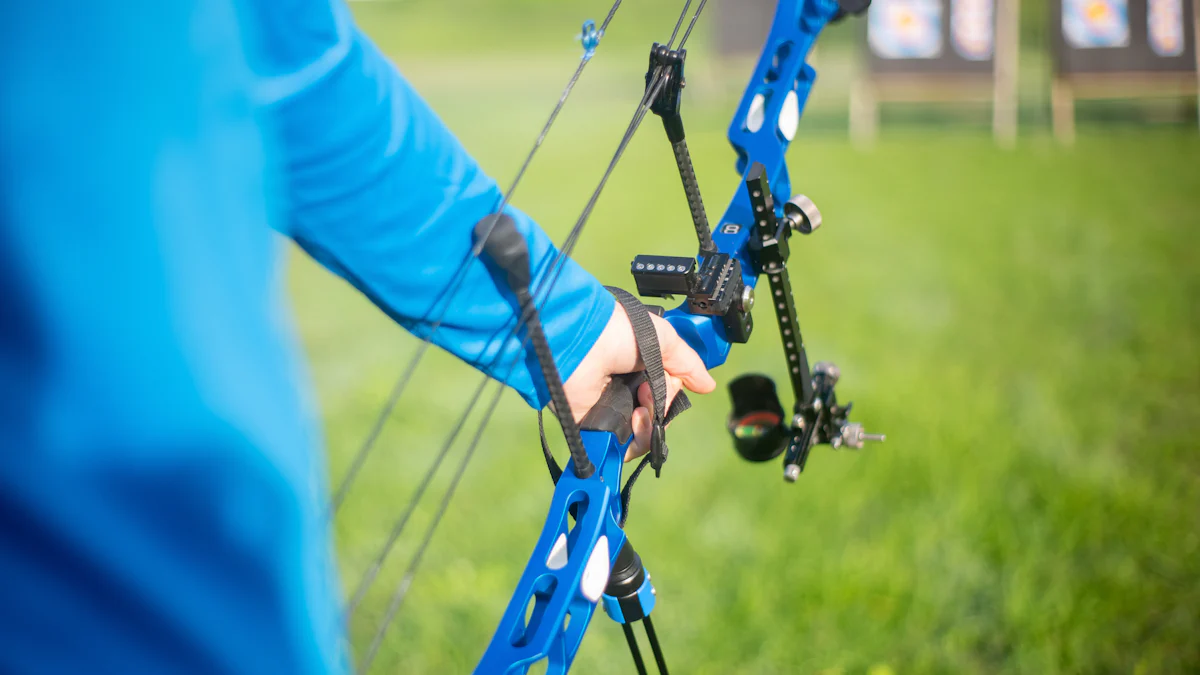
Key Parts of Archery Scopes
Understanding the key parts of archery scopes helps you make the most of your equipment. Each part plays a specific role in improving your aim and accuracy. Let’s break down the essential components:
-
Lens: The lens is the heart of the scope. It magnifies your view, making it easier to focus on the target. Some lenses come with anti-glare coatings to improve visibility in bright conditions.
-
Reticle or Pins: These provide the aiming reference. Reticles are crosshairs or dots, while pins are physical markers. Both help you align your shot with precision.
-
Housing: This is the outer casing that holds everything together. It protects the internal components from damage and ensures durability.
-
Mounting Bracket: The bracket attaches the scope to your bow. A secure mount is crucial for maintaining alignment during use.
-
Adjustment Knobs: These knobs let you fine-tune the scope for windage (left-to-right adjustments) and elevation (up-and-down adjustments). Proper adjustments ensure your arrows hit the intended target.
Each of these parts works together to create a reliable aiming system. Familiarizing yourself with them makes it easier to set up and maintain your scope.
Optional Features of Archery Scopes
Modern archery scopes often include optional features that enhance their functionality. These extras can make a big difference, especially in challenging shooting conditions. Here are some popular add-ons:
-
Bubble Level: A small level helps you keep your bow steady and avoid tilting. This feature is especially useful for long-distance shots.
-
Sight Light: A built-in light illuminates the reticle or pins, making them visible in low-light conditions. This is ideal for early morning or evening shooting.
-
Magnification Options: Some scopes allow you to adjust the level of magnification. This flexibility helps you adapt to different target distances.
-
Sight Tape: A sight tape provides a quick reference for adjusting your aim based on distance. It’s a handy tool for hunters and competitive archers.
-
Lens Covers: Protective covers shield the lens from dirt, dust, and scratches. They’re a simple yet effective way to extend the life of your scope.
These features aren’t necessary for every archer, but they can elevate your shooting experience. Consider your needs and preferences when choosing which ones to include.
"The right combination of components and features can turn a basic archery scope into a precision tool tailored to your style."
How Archery Scopes Work
Step-by-Step Explanation of Archery Scope Functionality
Understanding how archery scopes work can improve your accuracy and confidence. These tools simplify aiming by providing a clear reference point. Here’s a step-by-step breakdown of how they function:
-
Mount the Scope: Attach the scope securely to your bow using the mounting bracket. A stable connection ensures consistent alignment during use.
-
Adjust for Distance: Use the adjustment knobs to set the scope for the target distance. Elevation knobs move the aim up or down, while windage knobs adjust it left or right.
-
Align the Reticle or Pins: Look through the scope and align the reticle or pins with your target. The reticle or pins act as your guide, helping you focus on the exact spot you want to hit.
-
Check for Leveling: If your scope has a bubble level, ensure the bubble is centered. This step prevents tilting, which can throw off your shot.
-
Draw and Aim: Pull back the bowstring while keeping your eye on the target through the scope. Maintain steady alignment between the reticle or pins and the target.
-
Release the Arrow: Let the arrow fly while keeping your aim steady. The scope helps ensure the arrow travels along the intended path.
Each step builds on the previous one, creating a seamless process for accurate shooting. With practice, this sequence becomes second nature, making your shots more precise and consistent.
Factors Affecting Archery Scope Performance
Several factors influence how well your archery scope performs. Paying attention to these details can help you get the most out of your equipment:
-
Lighting Conditions: Bright sunlight or low-light environments can affect visibility. Scopes with anti-glare lenses or sight lights perform better in these situations.
-
Distance to Target: Longer distances require more precise adjustments. Magnified scopes or adjustable pins can make a big difference when shooting far away.
-
Bow Stability: A shaky bow reduces accuracy. Using a bubble level or practicing proper form can help keep your bow steady.
-
Scope Quality: High-quality scopes offer better clarity, durability, and reliability. Investing in a good scope ensures consistent performance over time.
-
Environmental Factors: Wind, rain, and temperature changes can impact your shots. Adjusting your scope for these conditions improves accuracy.
-
Proper Maintenance: Dirt, dust, or scratches on the lens can reduce visibility. Regular cleaning and using lens covers protect your scope and keep it in top condition.
By understanding these factors, you can make informed decisions about your setup and shooting technique. A well-maintained scope, combined with proper adjustments, ensures you hit your target with confidence.
"Mastering your archery scope involves more than just aiming. It’s about understanding the tools, the environment, and your own technique."
Types of Archery Scopes
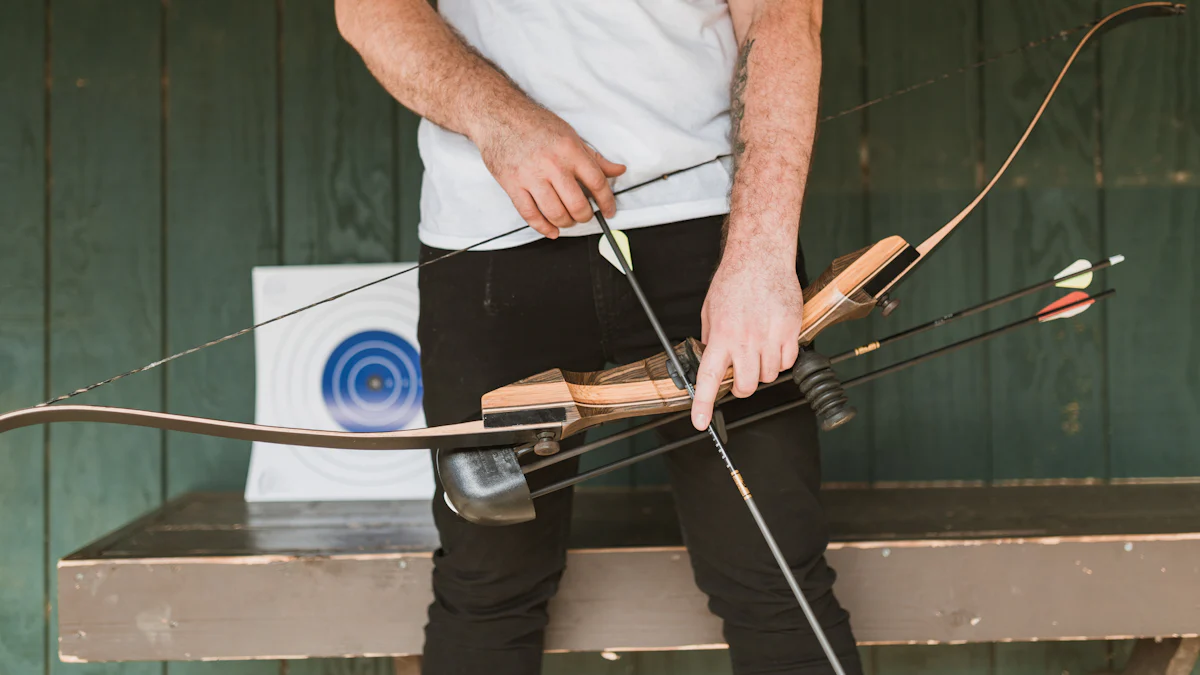
Archery scopes come in various designs, each tailored to meet specific needs. Choosing the right type can significantly improve your accuracy and overall experience. Let’s explore the most common types of archery scopes and how they work.
Fixed-Pin Archery Scopes
Fixed-pin scopes are a popular choice for many archers. These scopes feature multiple pins, each set to a specific distance. For example, one pin might be calibrated for 20 yards, another for 30 yards, and so on. This setup allows you to quickly select the correct pin based on your target's distance.
These scopes are reliable and straightforward. Once you’ve adjusted the pins to match your shooting style, they stay in place. This consistency makes them ideal for beginners or anyone who prefers a simple aiming system. Fixed-pin scopes work best for stationary targets or situations where you know the exact distance.
"Fixed-pin scopes offer simplicity and reliability, making them a great starting point for new archers."
Adjustable-Pin Archery Scopes
Adjustable-pin scopes provide more flexibility than fixed-pin models. Instead of multiple pins, these scopes typically have one pin that you can move up or down. This design allows you to fine-tune your aim for different distances without cluttering your view.
These scopes are perfect for archers who face varying target ranges. Hunters, for instance, often use adjustable-pin scopes to adapt to unpredictable distances in the field. While they require more practice to master, the versatility they offer is unmatched.
To use an adjustable-pin scope effectively, you’ll need to practice estimating distances and making quick adjustments. Over time, this skill becomes second nature, giving you greater control over your shots.
Magnified Archery Scopes
Magnified scopes take precision to the next level. These scopes include lenses that enlarge your view of the target, making it easier to aim accurately. They’re especially useful for long-distance shooting or competitive archery, where even the smallest details matter.
Magnified scopes often include additional features like reticles or crosshairs to further enhance accuracy. However, they require careful setup and maintenance. You’ll need to ensure the lens stays clean and free from scratches to maintain clarity.
These scopes are best suited for experienced archers who want to refine their skills. If you’re ready to challenge yourself and aim for pinpoint accuracy, a magnified scope might be the perfect choice.
"Magnified scopes bring your target closer, helping you focus on every detail for a precise shot."
Specialty Archery Scopes
Specialty archery scopes cater to unique shooting needs. These scopes are designed for specific scenarios, offering features that go beyond standard models. If you’re looking for a scope tailored to your style or environment, specialty options might be the perfect fit.
One popular type is the rangefinding scope. This scope integrates a laser rangefinder to measure the distance to your target. It eliminates the guesswork, giving you precise data to adjust your aim. Hunters often rely on this type for quick and accurate shots in unpredictable conditions.
Another option is the 3D archery scope, ideal for competitive 3D shooting. These scopes are built for precision and often include advanced reticles or magnification. They help you focus on small, detailed targets, which is crucial in competitions where accuracy determines your score.
For those who shoot in low-light conditions, illuminated scopes are a game-changer. These scopes feature lighted reticles or pins, making it easier to aim during dawn or dusk. They ensure visibility when natural light is limited, giving you an edge in challenging environments.
Some specialty scopes also cater to archers with specific preferences. For instance, customizable scopes allow you to swap out lenses, reticles, or pins. This flexibility lets you create a setup that matches your exact needs. Whether you prefer a minimalist design or a fully equipped scope, customization ensures your gear feels just right.
Specialty archery scopes are not for everyone, but they can elevate your performance if you have specific requirements. Consider your shooting style, environment, and goals when exploring these options. The right specialty scope can make a noticeable difference in your accuracy and confidence.
"Specialty scopes are like tailored suits—they’re designed to fit your unique needs and help you perform at your best."
Tips for Using Archery Scopes
Tips for Beginners
Starting with archery scopes can feel overwhelming, but a few simple steps will set you on the right path. First, focus on understanding your scope’s basic components. Learn how the lens, pins, and adjustment knobs work together. Familiarity with these parts builds confidence and helps you avoid mistakes.
Practice at short distances before moving to longer ranges. This approach allows you to refine your aim without feeling frustrated. Use stationary targets to develop consistency. Pay attention to your form, ensuring your bow remains steady as you aim through the scope.
Take your time adjusting the scope for windage and elevation. Small changes can make a big difference in accuracy. Don’t rush this process. Instead, treat it as an opportunity to learn how your scope responds to adjustments.
Lastly, don’t hesitate to ask for help. Whether it’s from a coach, a friend, or an online community, guidance from experienced archers can accelerate your progress. Remember, every expert was once a beginner.
"Patience and practice are your best allies when starting with archery scopes."
Tips for Experienced Archers
If you’ve been using archery scopes for a while, focus on fine-tuning your skills. Start by experimenting with advanced features like magnification or sight lights. These tools can enhance your performance, especially in challenging conditions.
Challenge yourself by practicing at varying distances. Use adjustable-pin scopes to adapt quickly to different ranges. This practice improves your ability to estimate distances and make precise adjustments on the fly.
Pay attention to environmental factors. Wind, lighting, and terrain can all impact your shots. Adjust your scope settings to account for these variables. For example, use a bubble level to maintain stability on uneven ground.
Regular maintenance is crucial for experienced archers. Clean your lens frequently and check for any loose parts. A well-maintained scope ensures consistent performance and extends its lifespan.
Finally, consider upgrading your equipment. If you’ve mastered the basics, investing in a specialty scope or a higher-quality model can take your skills to the next level.
"Mastery comes from constant refinement and a willingness to push your limits."
General Advice for All Archers
Whether you’re a beginner or a seasoned pro, some tips apply to everyone. Always prioritize safety. Ensure your scope is securely mounted and your bow is in good condition before shooting. A stable setup prevents accidents and improves accuracy.
Consistency is key. Develop a routine for setting up your scope and preparing for each shot. Repetition builds muscle memory, making your movements more precise over time.
Stay patient with yourself. Progress in archery takes time, and even small improvements are worth celebrating. If you miss a shot, analyze what went wrong and adjust accordingly. Every mistake is an opportunity to learn.
Lastly, enjoy the process. Archery is as much about the journey as it is about hitting the target. Take pride in your progress and savor the moments when everything clicks.
"Archery isn’t just a skill; it’s a journey of growth, patience, and discovery."
Archery scopes play a crucial role in helping you improve your accuracy and consistency. They simplify the aiming process, making it easier to hit your target with confidence. To get the most out of them, you need to understand their purpose, components, and how they work. This knowledge ensures you can use them effectively in any situation. Take the time to explore different types of scopes and practice regularly. By doing so, you’ll discover the one that fits your style and needs, enhancing your overall archery experience.