

Industry News


A Beginner’s Guide to Mastering Crossbow Range Scopes
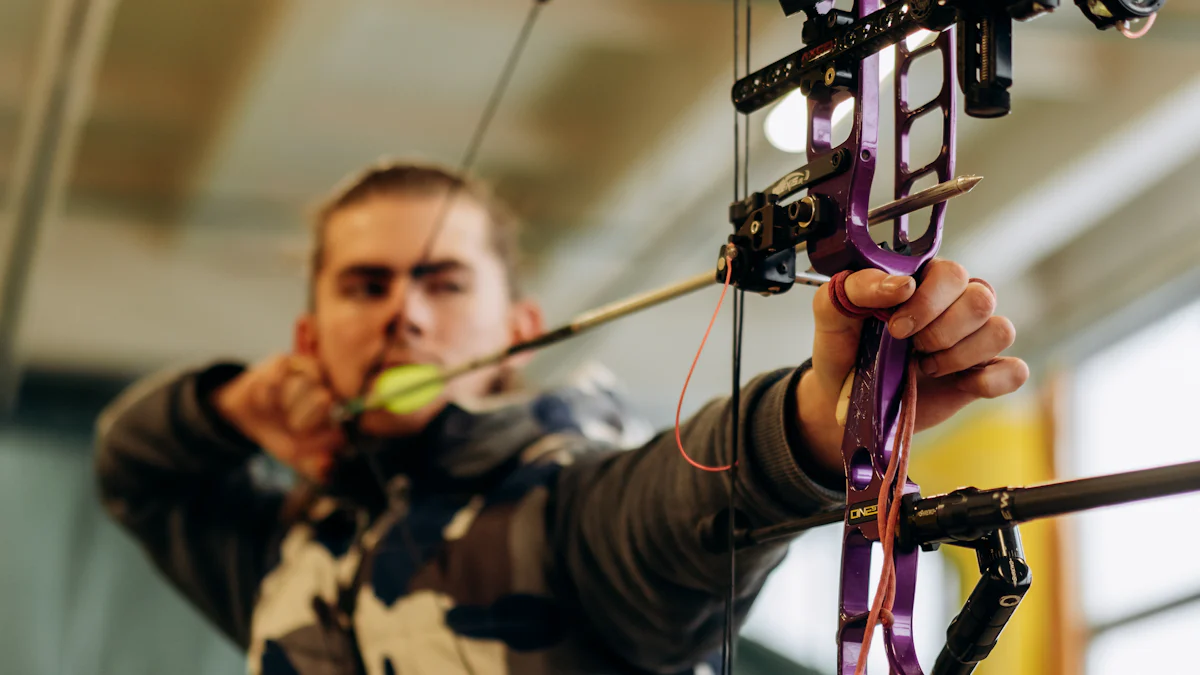
Mastering a crossbow range scope transforms your shooting experience. It enhances precision, builds confidence, and ensures consistent accuracy. A well-calibrated scope allows you to hit targets with remarkable reliability, even at extended distances. Stability and proper adjustments play a critical role in achieving this. For instance, tools like the Gabbay crossbow range scope offer exceptional magnification and ease of use, making them ideal for beginners. With dedication and practice, you can develop the skills needed to consistently group arrows within a few inches, ensuring every shot counts.
Key Takeaways
- Understanding the components of a crossbow range scope, such as the reticle and rangefinder, is essential for improving accuracy.
- Choose the right type of scope for your needs—fixed-power for simplicity or variable-power for flexibility in different shooting scenarios.
- Properly mounting and leveling your scope is crucial; ensure it is securely attached and aligned to prevent misfires.
- Regular practice with your scope, including varying conditions, builds confidence and sharpens your shooting skills.
- Maintain your scope by cleaning it after use and storing it in a protective case to ensure longevity and consistent performance.
- Address common scope issues promptly, such as misalignment or incorrect settings, to maintain accuracy and reliability.
- Stay committed to refining your skills; patience and persistence will lead to improved shooting performance over time.
Understanding Crossbow Range Scopes
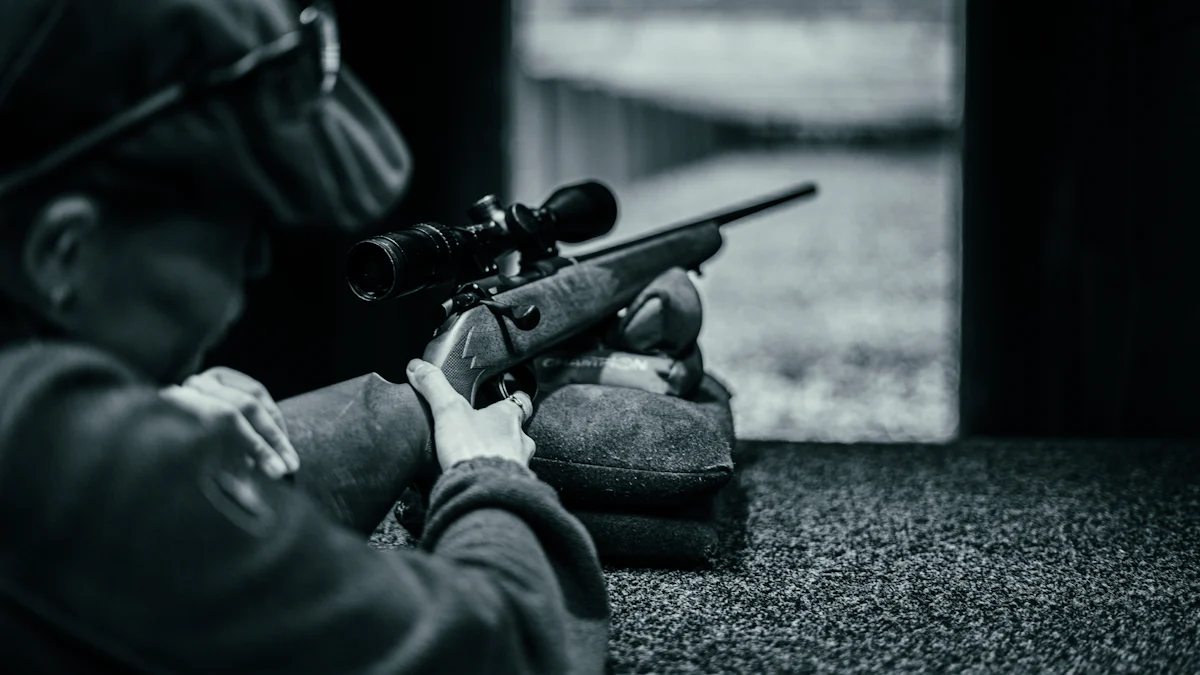
A crossbow range scope is more than just an accessory; it’s a vital tool for improving accuracy and consistency. Understanding its components, types, and benefits can help you make informed decisions and maximize your shooting potential.
Key Components of a Crossbow Range Scope
Every crossbow range scope consists of several essential parts that work together to enhance your aim. The reticle, often designed with customized patterns like dots or lines, helps you align your shot with the target. Many scopes also include a rangefinder, which estimates the distance to your target, allowing for precise adjustments. The magnification lens plays a crucial role by bringing distant targets into clear view, though most crossbow scopes limit magnification to 5x or lower to maintain a wide field of view.
The adjustment knobs for windage and elevation allow you to fine-tune the scope based on environmental factors like wind direction or terrain elevation. High-quality scopes often feature durable construction with weather-resistant materials, ensuring reliability in various conditions. These components work in harmony to provide a seamless shooting experience.
Types of Crossbow Range Scopes
Crossbow range scopes come in different types, each catering to specific needs and preferences. Fixed-power scopes offer a set magnification level, making them simple and reliable for beginners. Variable-power scopes, on the other hand, allow users to adjust magnification, providing flexibility for different shooting scenarios. For those who prefer simplicity, red-dot sights are a popular choice. They lack magnification but excel in quick target acquisition, making them ideal for close-range shots.
Some advanced scopes include features like illuminated reticles for low-light conditions or ballistic reticles tailored to specific bolt profiles. Manufacturers like Trijicon Inc. offer tactical optics with cutting-edge technology, ensuring superior accuracy. Choosing the right type depends on your shooting style, environment, and level of expertise.
How Crossbow Range Scopes Improve Accuracy
A well-calibrated crossbow range scope significantly enhances accuracy by eliminating guesswork. It allows you to focus on the target while compensating for variables like distance, wind, and elevation. For example, the rangefinder in many scopes provides precise distance measurements, enabling you to adjust your aim accordingly. The reticle design ensures consistent alignment, reducing the chances of misfires.
Scopes designed specifically for crossbows, unlike rifle scopes, account for the unique trajectory of crossbow bolts. This customization ensures that your shots land where you intend. Pre-sighted scopes included with some crossbows offer a good starting point, but fine-tuning at the range is essential for optimal performance. With practice, a crossbow range scope can help you achieve tighter groupings and greater confidence in your shooting abilities.
Preparing Your Crossbow for Scope Use
Setting up your crossbow for scope use requires attention to detail and the right tools. A well-prepared crossbow ensures optimal performance and accuracy, making this step essential for any shooter.
Essential Equipment for Crossbow Scope Setup
To begin, gather all necessary equipment for a smooth setup process. The essentials include:
- Crossbow scope: Choose a scope that suits your shooting style and preferences. Fixed-power scopes are great for simplicity, while variable-power scopes offer flexibility.
- Mounting rings and base: These secure the scope to your crossbow. Ensure they are compatible with your specific model.
- Allen wrenches or screwdrivers: These tools help tighten screws and secure the scope in place.
- Shooting aid: A shooting aid, such as a bench rest or tripod, stabilizes your crossbow during setup. This minimizes movement and enhances precision.
- Target: Use a high-contrast target to make adjustments easier during sighting.
Having these items ready streamlines the process and prevents interruptions. A shooting aid, in particular, proves invaluable. As one expert noted, “A shooting aid fixes your crossbow so it doesn’t move when you pull the trigger, allowing for perfect sighting.”
Proper Mounting and Leveling of the Scope
Mounting the scope correctly is critical for accuracy. Start by attaching the mounting base securely to your crossbow. Align the scope with the base and use the mounting rings to fasten it. Tighten the screws evenly to avoid misalignment.
Leveling the scope is the next step. Place your crossbow on a stable surface or use a shooting aid. Look through the scope and ensure the reticle is perfectly horizontal. Adjust the scope until it aligns with the crossbow’s body. A leveled scope prevents errors caused by tilted shots.
Double-check all screws and connections. Loose components can shift during use, affecting accuracy. Tighten everything firmly but avoid over-tightening, which could damage the scope or crossbow.
Safety Measures Before Using Your Crossbow
Safety should always come first. Before using your crossbow, inspect it thoroughly. Check for any signs of wear or damage, especially on the limbs and string. Replace any worn-out parts immediately.
Ensure the crossbow is uncocked during setup. This reduces the risk of accidental discharge. Keep your fingers away from the trigger and the path of the string at all times.
When handling the crossbow, maintain a clear shooting area. Remove any obstacles or distractions. If you’re at a range, follow all safety protocols and wear protective gear, such as safety glasses.
By following these steps, you prepare your crossbow for effective scope use. A well-mounted and leveled scope, combined with proper safety measures, sets the foundation for accurate and confident shooting.
Sighting and Adjusting Your Crossbow Range Scope
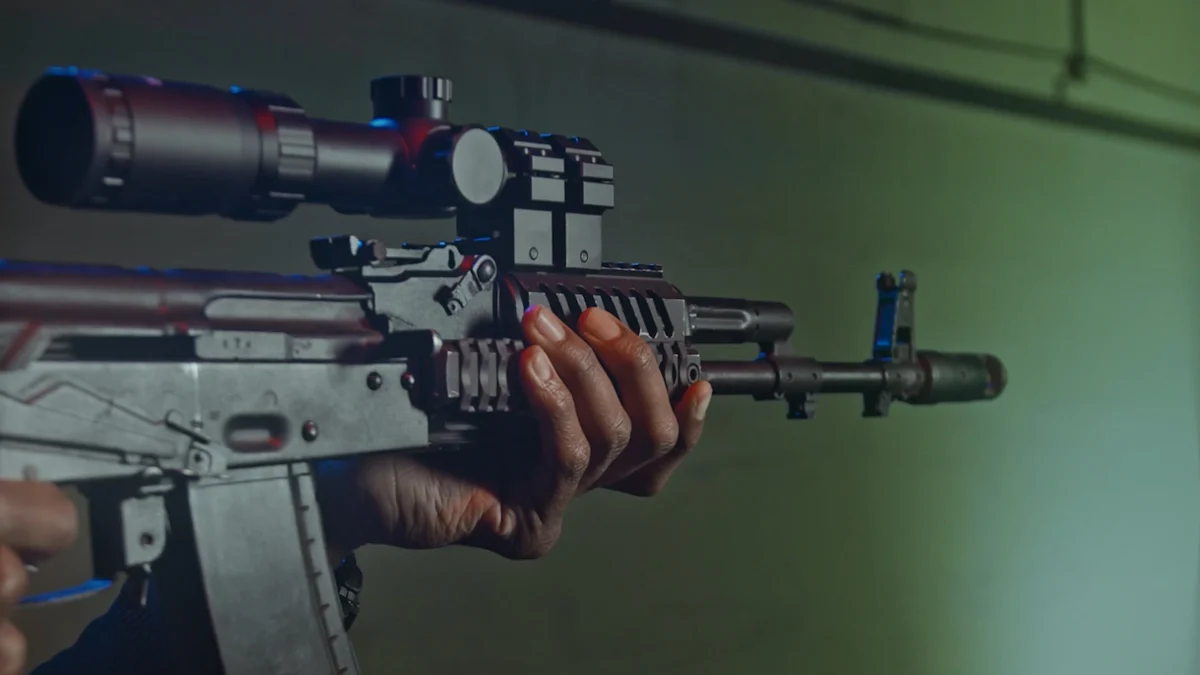
Sighting and adjusting your crossbow range scope ensures precision and consistency in every shot. This process requires patience, focus, and a systematic approach. By following these steps, you can align your scope for optimal performance.
Step-by-Step Guide to Sighting the Scope
Sighting your scope begins with establishing a baseline. Start by setting up your crossbow on a stable surface, such as a bench rest or tripod. Use a high-contrast target placed at a distance of 10 yards. This close range minimizes errors and helps you identify initial adjustments.
- Take the first shot: Fire a bolt at the center of the target. Observe where it lands relative to the bullseye.
- Adjust the windage and elevation knobs: Use the scope’s adjustment knobs to move the reticle toward the point of impact. Follow the principle of “chasing the arrow,” meaning if the bolt hits low, adjust the reticle downward.
- Repeat the process: Fire another shot and make further adjustments as needed. Continue until the bolt consistently hits the bullseye.
Once you achieve accuracy at 10 yards, move the target to 20 yards and repeat the process. Gradually increase the distance to ensure the scope remains accurate at various ranges. As noted in Mossy Oak’s Beginner's Guide to Crossbow Hunting, leveling the reticle and zeroing the scope are critical for achieving consistent results.
Adjusting for Windage, Elevation, and Speed
Environmental factors like wind and terrain can affect your shot. Adjusting for windage (horizontal alignment) and elevation (vertical alignment) compensates for these variables. Most scopes feature click adjustments, with each click representing a specific measurement, such as 1/4 inch at 100 yards.
- Windage: If the wind pushes your bolt to the left or right, turn the windage knob to counteract the drift. For example, if the bolt lands left of the target, adjust the knob to the right.
- Elevation: If the bolt lands high or low, use the elevation knob to correct the trajectory. Lower the reticle for high impacts and raise it for low impacts.
- Speed adjustments: Modern scopes often include a speed/magnification ring. Adjust this setting to match your crossbow’s speed, typically measured in feet per second (FPS). Proper calibration ensures the reticle aligns with the bolt’s trajectory.
As highlighted in Hunting Optics, precise calibration of range compensation reticles is essential for accuracy. Take your time to fine-tune these settings, as they directly impact your shooting performance.
Testing and Fine-Tuning for Accuracy
Testing your adjustments under real-world conditions solidifies your scope’s accuracy. Set up targets at varying distances, such as 20, 30, and 40 yards. Practice shooting from different positions, including standing, kneeling, and prone. This variation simulates hunting scenarios and builds confidence.
- Group your shots: Aim for consistent groupings within a few inches. Tight groupings indicate that your scope is properly sighted.
- Evaluate performance: If your shots deviate, revisit the windage, elevation, or speed settings. Small tweaks can make a significant difference.
- Test in different environments: Practice in varying light conditions and weather. Features like illuminated reticles, found in some scopes, enhance visibility during low-light situations.
A high-quality crossbow range scope, as emphasized in Gun University’s Best Crossbow Scopes, can greatly improve shooting precision. Regular testing and fine-tuning ensure your scope performs reliably, whether at the range or in the field.
Practical Tips for Mastering Crossbow Range Scopes
Developing Consistent Practice Habits
Consistency in practice builds confidence and sharpens accuracy. I recommend setting aside dedicated time each week to practice with your crossbow range scope. Start with short sessions focusing on proper form and alignment. Gradually increase the duration as your skills improve. Use a stable shooting aid, such as a bench rest, to minimize movement and ensure precision during practice.
To track progress, maintain a shooting log. Record details like target distance, bolt grouping, and adjustments made to the scope. This habit helps identify patterns and areas needing improvement. For example, if shots consistently drift left, it may indicate a need to recalibrate windage settings or refine your shooting technique.
Vary your practice conditions to simulate real-world scenarios. Practice in different lighting, weather, and terrain. This approach prepares you for challenges you might face in the field. As one expert noted, “Practicing under diverse conditions ensures adaptability and builds confidence in your equipment.”
Maintaining and Storing Your Crossbow Range Scope
Proper maintenance extends the lifespan of your crossbow range scope and ensures consistent performance. After each session, inspect the scope for dirt, debris, or moisture. Use a soft, lint-free cloth to clean the lenses gently. Avoid harsh chemicals that could damage the lens coating.
Store your crossbow and scope in a protective case when not in use. This prevents accidental impacts and shields the equipment from dust and humidity. Always keep the plastic covers for adjustment knobs in place to protect them from damage. A well-maintained scope retains its calibration, saving you time during your next outing.
Regularly check all screws and bolts on the crossbow and scope mount. Loose hardware can disrupt alignment and affect accuracy. Tighten screws evenly to avoid misalignment, but do not overtighten, as this could damage the components. Visual inspections after each use ensure that your setup remains secure and reliable.
Troubleshooting Common Scope Issues
Even with proper care, issues may arise with your crossbow range scope. Addressing these problems promptly ensures uninterrupted performance. If the scope fails to sight in properly, revisit the mounting process. Ensure the scope is level and securely fastened. Misaligned reticles often result from improper leveling during installation.
If bolts consistently miss the target, examine the scope’s windage and elevation settings. Follow the principle of “chasing the arrow” by adjusting the reticle toward the point of impact. For instance, if bolts land low, lower the reticle to compensate. Additionally, inspect the crossbow for loose hardware or damaged bolts, as these factors can affect accuracy.
In rare cases, the scope itself may be defective. Researching reviews and choosing reputable brands minimizes this risk. As one seasoned shooter observed, “Most scope issues stem from technique rather than defects. Following proper setup and adjustment guidelines resolves most problems.”
By developing consistent practice habits, maintaining your equipment, and addressing issues promptly, you can master your crossbow range scope. These practical tips ensure that your scope performs reliably, enhancing your shooting experience and boosting your confidence.
Mastering a crossbow range scope requires understanding its components, setting it up correctly, sighting it in, and practicing consistently. Each step builds on the last, creating a foundation for accurate and confident shooting. Crossbow-specific scopes, designed for the unique trajectory of bolts, ensure precision and reliability. Patience and persistence are key. Progress may feel slow at first, but every adjustment and practice session brings improvement. Stay committed to refining your skills, and you’ll soon experience the satisfaction of hitting your target with consistency and ease.
FAQ
Can I use a rifle scope on a crossbow?
Yes, you can technically use a rifle scope on a crossbow. However, I wouldn’t recommend it. Rifle scopes are designed for bullets that travel faster and farther than crossbow bolts. Crossbow scopes, on the other hand, feature reticles tailored to the unique trajectory of bolts. With so many excellent crossbow-specific scopes available today, it makes more sense to invest in one designed for your equipment.
"Trying to make do with a rifle scope doesn’t make much sense these days," as one expert aptly put it. A crossbow scope will always provide better accuracy and performance.
Are crossbow and rifle scopes the same?
No, they are not the same. While both serve the purpose of improving aim, their designs differ significantly. A rifle scope is built for long-range shooting with bullets, while a crossbow scope is optimized for the shorter range and slower speed of bolts. Crossbow scopes also include reticles specifically calibrated for bolt trajectories, ensuring precision at varying distances.
Think of it this way: a rifle scope is like a sports car, and a crossbow scope is like an off-road vehicle. Both are great, but each is built for a different purpose.
Can I put any scope on my crossbow?
You can attach any scope that fits your crossbow’s rings and mounts. However, I strongly advise against using scopes not designed for crossbows. Crossbow scopes are engineered to match the performance and range of your equipment. Using a rifle or generic scope may compromise accuracy and make sighting more challenging.
"Get a crossbow scope for your crossbow and thank us later," as seasoned hunters often say. It’s a decision you won’t regret.
How do I choose the right magnification for my crossbow scope?
Choosing the right magnification depends on your shooting distance. For close-range shots, a lower magnification between 1.5x and 5x works best. If you plan to shoot at longer distances, consider a variable scope with magnification levels like 2-7x. This flexibility allows you to adjust based on your target’s distance.
Remember, higher magnification isn’t always better. Too much magnification can narrow your field of view, making it harder to track moving targets.
What is the best crossbow scope for 50 yards?
For 50-yard shots, I recommend the Hawke Sport Optics 12221. This scope features an etched reticle with markings for every ten yards up to 100 yards. It also offers excellent eye relief, ensuring accuracy and comfort during use. Its design makes it a reliable choice for mid-range shooting.
How do I get started with a crossbow?
Starting with a crossbow involves selecting the right equipment and practicing consistently. Many crossbows come with pre-installed scopes, which can be a good starting point. However, ensure the scope matches your needs. A 5x magnification scope is often sufficient for most beginners. Variable power scopes, such as 1.5-5x, provide added flexibility.
Avoid mounting high-power scopes, as they reduce the field of view and may not align with the crossbow’s effective range. Focus on learning proper form and sighting techniques to build confidence.
How do I sight in a crossbow scope?
Sighting in a crossbow scope is straightforward but requires patience. Start by setting up your crossbow on a stable surface and placing a target at 10 yards. Fire a bolt and observe where it lands. Adjust the windage and elevation knobs to align the reticle with the point of impact. Repeat the process until your shots consistently hit the bullseye.
Gradually increase the target distance to 20 yards or more, fine-tuning the scope as needed. Always follow the principle of “chasing the arrow” when making adjustments—move the reticle toward the bolt’s impact point.
Can I use a high-power scope on a crossbow?
Using a high-power scope on a crossbow is not advisable. Crossbows have a limited effective range, and high magnification reduces the field of view, making it harder to aim accurately. Most crossbow scopes with magnifications up to 5x are sufficient for typical shooting distances. Variable power scopes, such as 1-5x, offer versatility without compromising usability.
What should I do if my scope won’t sight in?
If your scope fails to sight in, revisit the mounting process. Ensure the scope is level and securely fastened. Misaligned reticles often result from improper installation. Check the windage and elevation settings, and follow the “chase the arrow” method to adjust the reticle toward the bolt’s impact point.
Inspect your crossbow for loose hardware or damaged bolts, as these can also affect accuracy. If the issue persists, the scope itself may be defective. Choosing a reputable brand minimizes the likelihood of such problems.
How do I maintain my crossbow scope?
Proper maintenance ensures your scope performs reliably. After each use, clean the lenses with a soft, lint-free cloth. Avoid harsh chemicals that could damage the lens coating. Store the scope in a protective case to shield it from dust and moisture. Regularly check all screws and bolts to ensure they remain secure.
A well-maintained scope retains its calibration, saving you time and effort during your next outing.