

Industry News


How to Choose the Best Crossbow Ranging Scope for Hunting
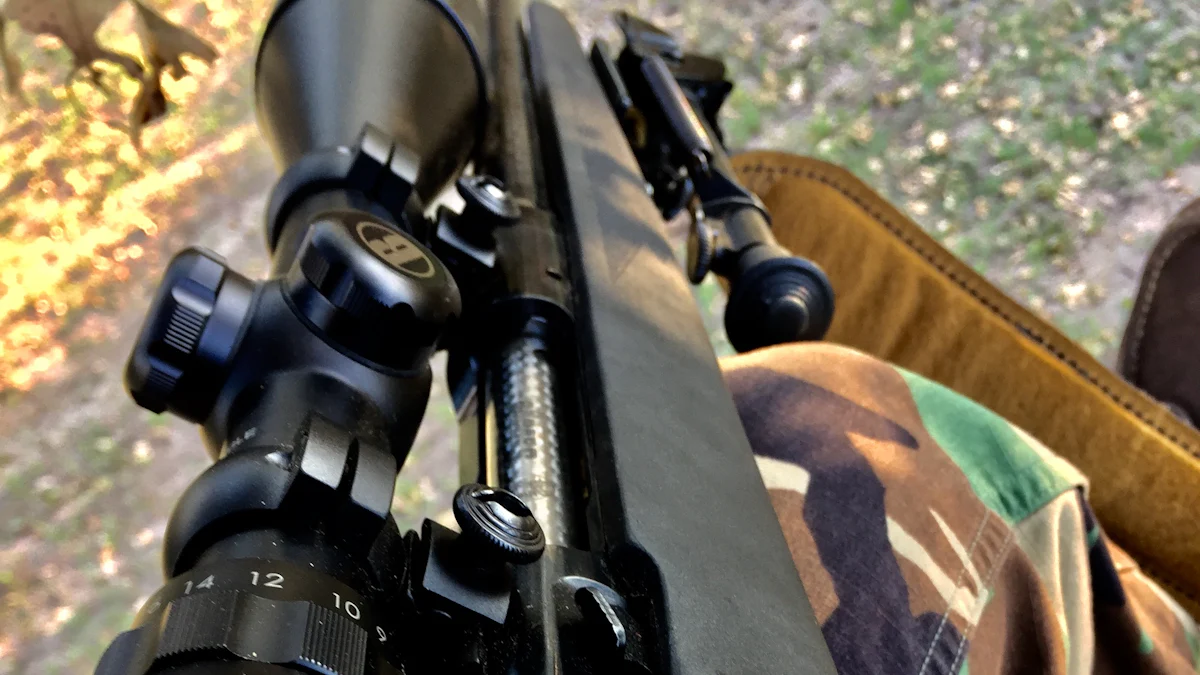
Selecting the right crossbow ranging scope can transform your hunting experience. A well-chosen scope improves accuracy, especially when targeting at varying distances. It ensures you can adapt to different environments, whether you're hunting in dense woods or open fields. The precision offered by a quality scope, such as the gabbay ranging scope, often determines the success of your shot. For instance, crossbow hunters in Wisconsin achieved success rates as high as 33%, significantly outperforming traditional bow users. By focusing on compatibility with your crossbow and essential features like magnification and clarity, you can elevate your hunting performance.
Key Takeaways
- Selecting the right crossbow ranging scope can significantly enhance your hunting accuracy and success rates.
- Focus on key features like magnification, reticle design, and lens coatings to match your hunting environment and style.
- Ensure compatibility between your crossbow and scope to avoid performance issues and missed opportunities.
- Prioritize scopes with adjustable illumination for low-light conditions, enhancing visibility during dawn or dusk hunts.
- Test the scope's eye relief and weight to ensure comfort and stability during extended hunting sessions.
- Regular maintenance and recalibration of your scope are essential for maintaining accuracy and prolonging its lifespan.
- Set a realistic budget and identify essential features to avoid overspending on unnecessary options.
Key Features of a Crossbow Ranging Scope
Magnification and Field of View
Magnification plays a critical role in determining how well you can spot and aim at your target. A scope with adjustable magnification, such as the Ravin 550FPS Crossbow Scope, offers flexibility for both short and long-range shots. This model provides a range of 1-8x magnification, making it suitable for various hunting scenarios. For dense environments or fast-moving game, a wide field of view becomes essential. The Vortex Strike Eagle 1-8x24mm FFP excels in this area, offering a first focal plane reticle that ensures quick adjustments without losing sight of your target.
When selecting a crossbow ranging scope, I always recommend balancing magnification with field of view. Higher magnification narrows the field of view, which can make tracking moving targets challenging. For most hunting situations, a magnification of 4x to 8x works well, providing clarity without compromising situational awareness.
Reticle Options
The reticle serves as the aiming point within your scope, and its design can significantly impact your accuracy. Illuminated reticles, like those found in the TenPoint EVO-X Marksman Elite Crossbow Scope, enhance visibility in low-light conditions. This scope offers red and green illumination options, calibrated for distances up to 60 yards. Reticles with multiple aiming points, often referred to as ballistic reticles, allow for precise targeting at varying distances.
I find that choosing the right reticle depends on your hunting style. For example, if you frequently hunt in dimly lit environments, an illuminated reticle becomes indispensable. On the other hand, if you prefer long-range shots, a reticle with clear distance markers ensures better accuracy.
Speed Adjustment and Calibration
Speed adjustment is a feature that tailors the scope to match the velocity of your crossbow bolts. The Ravin 550FPS Crossbow Scope includes a Speed Lock feature, allowing precise calibration for different arrow speeds. This ensures that your scope remains accurate regardless of the bolt's speed. Similarly, the TenPoint EVO-X Marksman Elite offers easy windage and elevation adjustments, making it adaptable to various shooting conditions.
Calibration is a step you cannot overlook. A properly calibrated scope aligns with your crossbow's performance, ensuring consistent accuracy. I recommend testing the speed adjustment feature before purchasing a scope. This helps confirm that it meets your specific hunting requirements.
Illumination and Low-Light Performance
Illumination features in a crossbow ranging scope can make or break your hunting experience, especially during dawn or dusk. I’ve found that scopes with adjustable illumination settings, like the TenPoint EVO-X Marksman Elite, provide a significant advantage. These scopes allow you to switch between red and green reticle illumination, ensuring visibility in varying light conditions. This flexibility becomes crucial when hunting in dense forests or during overcast days.
Low-light performance depends heavily on the quality of the scope’s optics. A well-designed scope enhances light transmission, delivering a brighter and clearer image. Lens coatings play a pivotal role here. According to research published in Black Rifle Depot, lens coatings improve light transmission, allowing more light to reach your eye. This results in sharper images even in dim environments. I always recommend scopes with fully multi-coated lenses for this reason. They reduce glare and improve contrast, which is essential for spotting game in challenging lighting.
When hunting in low-light conditions, I’ve noticed that scopes with illuminated reticles and superior lens coatings reduce eye strain. This combination ensures that you can maintain focus and accuracy without compromising comfort. For hunters who often venture out during early mornings or late evenings, investing in a scope with excellent low-light performance is non-negotiable.
Lens Coating and Clarity
Lens coating directly impacts the clarity and durability of a crossbow ranging scope. High-quality coatings minimize reflections and enhance contrast, which improves overall visibility. Studies from Consumer Reports highlight that anti-reflective (AR) coatings significantly reduce glare, making it easier to aim accurately. I’ve personally experienced the difference when using scopes with AR coatings. The clarity they provide, especially in bright sunlight or reflective environments, is unmatched.
Fully multi-coated lenses stand out as the gold standard. These coatings not only improve light transmission but also protect the lenses from scratches and dirt. This durability ensures that your scope remains reliable even after prolonged use in rugged conditions. For example, the Ravin 550FPS Crossbow Scope features fully multi-coated lenses, offering exceptional clarity and resilience.
When choosing a scope, I prioritize clarity above all else. A clear lens allows me to spot subtle movements and details, which can be the difference between a successful hunt and a missed opportunity. Always inspect the lens quality before purchasing a scope. Look for coatings that enhance both clarity and durability to ensure long-term performance.
Matching the Crossbow Ranging Scope to Your Hunting Needs
Choosing the right crossbow ranging scope requires a clear understanding of your hunting preferences and the conditions you typically face. Each hunting scenario demands specific features to ensure optimal performance. I always recommend evaluating your environment, target distance, and crossbow compatibility before making a decision.
Hunting Environment
The hunting environment plays a significant role in determining the type of scope you need. Dense forests, open fields, and low-light conditions each present unique challenges. In wooded areas, a scope with a wide field of view helps track fast-moving game through thick foliage. For example, I’ve found that scopes like the Vortex Strike Eagle 1-8x24mm FFP excel in these settings due to their ability to maintain clarity while offering quick adjustments.
In open fields, where long-range shots are common, magnification becomes crucial. A scope with adjustable magnification, such as the Ravin 550FPS Crossbow Scope, provides the flexibility needed for precise targeting at greater distances. Low-light environments, like dawn or dusk hunts, demand scopes with illuminated reticles and superior lens coatings. These features enhance visibility and reduce glare, ensuring you don’t miss critical opportunities.
When selecting a scope, I always consider the terrain and lighting conditions I’ll encounter. This ensures that my equipment aligns with the challenges of the environment, improving my overall hunting experience.
Target Distance
Understanding your typical target distance is essential for choosing the right scope. Short-range hunting, often within 20 to 30 yards, benefits from scopes with a wide field of view and minimal magnification. These features allow for quick target acquisition and better tracking of moving game. For longer distances, up to 60 yards or more, higher magnification and ballistic reticles become indispensable. These reticles provide multiple aiming points, enabling precise shots at varying ranges.
I’ve noticed that many hunters overlook the importance of speed adjustment in their scopes. This feature ensures that the scope aligns with the velocity of your crossbow bolts, maintaining accuracy across different distances. For instance, the TenPoint EVO-X Marksman Elite Crossbow Scope offers excellent speed calibration, making it a reliable choice for long-range hunting.
Always match your scope’s capabilities to your effective shooting range. This alignment ensures consistent accuracy, whether you’re targeting game at close quarters or from a distance.
Crossbow Compatibility
Compatibility between your crossbow and scope is non-negotiable. A mismatched scope can lead to poor performance and missed opportunities. I always verify that the scope fits securely on my crossbow and supports its specific features, such as bolt speed and weight. Scopes like the Ravin 550FPS Crossbow Scope are designed to accommodate high-speed crossbows, ensuring seamless integration and reliable performance.
Eye relief is another critical factor. A scope with adequate eye relief prevents discomfort and enhances safety, especially during recoil. I’ve found that scopes with adjustable eye relief settings offer the most comfort, allowing me to focus on my target without distraction.
Before purchasing a scope, I recommend testing its fit and functionality with your crossbow. This step ensures that the scope complements your setup, providing a smooth and efficient hunting experience.
Eye Relief and Comfort
Eye relief plays a crucial role in ensuring both safety and comfort when using a crossbow ranging scope. It refers to the distance between your eye and the scope's eyepiece while maintaining a full and clear image. I’ve learned from experience that inadequate eye relief can lead to discomfort and even missed shots. For instance, there were times I had to reinstall scopes because the eye relief didn’t align with my shooting posture. This misalignment made it difficult to achieve a proper view through the scope.
When using a crossbow, the stock pressed against your shoulder limits how close you can position your eye to the scope. If the eye relief is too short, you won’t get a clear image, which can be frustrating during critical moments in the field. I always recommend testing the scope’s eye relief before final installation. This step ensures that the scope suits your shooting style and prevents unnecessary adjustments later.
Comfort is equally important. A scope with sufficient eye relief reduces strain on your eyes, especially during extended hunting sessions. I’ve found that scopes offering adjustable eye relief provide the best flexibility. They allow you to fine-tune the distance based on your preferences and shooting stance. This feature becomes particularly valuable when switching between different crossbows or shooting positions.
To maximize comfort and performance, always prioritize scopes with generous eye relief. Look for models designed specifically for crossbows, as they account for the unique ergonomics of these weapons. Testing the scope in a realistic shooting setup will help you determine if it meets your needs. Proper eye relief not only enhances your accuracy but also ensures a safer and more enjoyable hunting experience.
Types of Crossbow Ranging Scopes
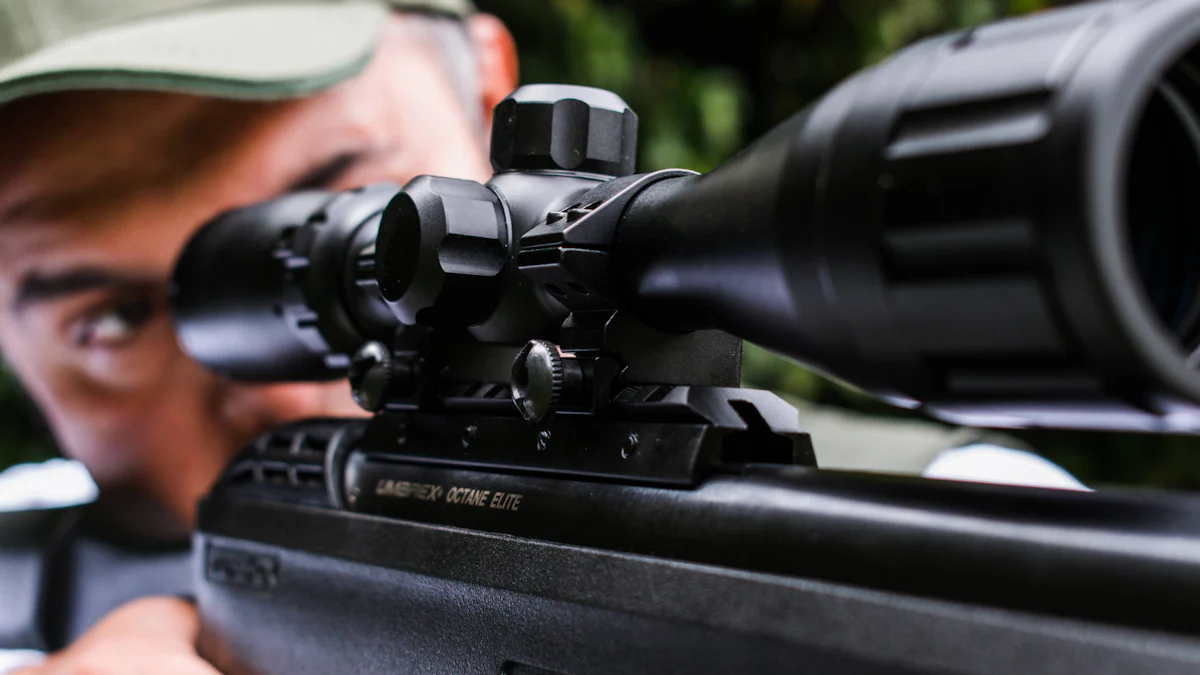
Choosing the right type of crossbow ranging scope can significantly impact your hunting performance. Each type offers unique advantages tailored to specific hunting styles and conditions. Understanding these differences helps you make an informed decision.
Fixed Power Scopes
Fixed power scopes provide a single magnification level, making them simple and reliable. These scopes excel in situations where consistent magnification is sufficient, such as hunting in dense woods or targeting at predictable distances. Their straightforward design reduces the chances of mechanical failure, which I find reassuring during critical moments in the field.
For hunters who prioritize durability and ease of use, fixed power scopes stand out. They often feature rugged construction, ensuring reliability even in harsh environments. For example, scopes designed to withstand the rigors of crossbows offer robust performance and reticle systems that enhance accuracy. While they lack the versatility of adjustable scopes, their simplicity makes them a dependable choice for many hunting scenarios.
Adjustable Power Scopes
Adjustable power scopes offer variable magnification, providing flexibility for different hunting conditions. These scopes allow you to zoom in for long-range shots or zoom out for a wider field of view when tracking moving game. I’ve found this versatility invaluable when transitioning between open fields and dense forests.
The TenPoint EVO-X Marksman Elite Crossbow Scope exemplifies the benefits of adjustable power scopes. With a magnification range of 2-8x, it adapts seamlessly to short, mid, and long-range shots. Its illuminated reticles enhance visibility in low-light conditions, while non-illuminated chevrons support longer shots. This adaptability makes it a favorite among hunters who encounter varied terrains and lighting conditions.
When selecting an adjustable power scope, consider models with advanced optics and precision adjustments. The Leupold Mark 4HD (30mm) M5C3 offers high magnification and precise controls, ensuring accurate long-distance shots. Its rugged construction guarantees reliability, even in challenging environments. Adjustable power scopes provide the versatility needed for dynamic hunting situations, making them a valuable addition to any crossbow setup.
Hybrid Scopes
Hybrid scopes combine the best features of fixed and adjustable power scopes, offering a balance of simplicity and versatility. These scopes often include advanced technologies, such as illuminated reticles and prismatic optical systems, to enhance performance. I’ve noticed that hybrid scopes excel in adapting to diverse hunting scenarios, making them a versatile choice for hunters seeking all-in-one solutions.
The TGR078 Range Scopes stands out as a hybrid option. It functions effectively with or without electricity, thanks to its self-developed precision adjustment mechanism. Its prismatic optical system provides a wide field of view, ideal for tracking fast-moving game. This combination of features ensures reliable performance across various conditions.
Hybrid scopes also benefit from modern advancements in optics. Models with better optics and newer features, such as variable power and ocular lens adjustments, deliver exceptional clarity and accuracy. These improvements make hybrid scopes a compelling choice for hunters who demand both flexibility and reliability.
Rangefinding Scopes
Rangefinding scopes represent a significant leap in hunting technology. These scopes integrate advanced rangefinding capabilities directly into the optic, allowing hunters to measure the distance to their target with precision. I’ve found that this feature eliminates the need for separate rangefinders, streamlining the hunting process and saving valuable time in the field.
One standout example is the BUK Ops X-factor Rangefinding Crossbow Scope. This scope combines high-quality optics with an integrated rangefinder, providing accurate distance measurements while maintaining a clear and sharp image. It offers multiple reticle options, enabling hunters to choose the most suitable aiming point for their specific shot. While it doesn’t compute a complete firing solution like some high-end models, it delivers all the essential data needed for accurate targeting. This balance of functionality and simplicity makes it a reliable choice for serious crossbow hunters.
Rangefinding scopes excel in scenarios where precise distance measurement is critical. For instance, when hunting in open fields or targeting game at varying distances, these scopes ensure you can adjust your aim with confidence. I’ve noticed that using a rangefinding scope significantly reduces guesswork, especially when dealing with long-range shots. The convenience of having both rangefinding and aiming capabilities in one device enhances efficiency and accuracy.
Another noteworthy option is the Gabbay Outdoor Rangefinder Scope, which combines cutting-edge technology with durability. This scope guarantees unparalleled precision and stability, making it ideal for both recreational hunting and competitive shooting. Its innovative design introduces a seamless blend of quality and performance, elevating the overall hunting experience. I’ve seen how this scope’s advanced features, such as its stable rangefinding mechanism, can transform the way hunters approach their targets.
When selecting a rangefinding scope, I always consider factors like build quality, ease of use, and compatibility with my crossbow. A durable construction ensures the scope withstands harsh outdoor conditions, while user-friendly controls make it easier to operate under pressure. Additionally, compatibility with your crossbow setup is crucial to ensure seamless integration and optimal performance.
Although rangefinding scopes often come with a higher price tag, their benefits justify the investment. The ability to measure distances accurately and adjust your aim accordingly can make the difference between a successful hunt and a missed opportunity. For hunters seeking to enhance their precision and efficiency, rangefinding scopes offer unmatched value.
Common Mistakes to Avoid When Choosing a Crossbow Ranging Scope
Overpaying for Unnecessary Features
Spending more money does not always guarantee better performance. I have seen hunters invest in scopes with advanced features they never use. For example, excessive magnification might seem appealing, but it can hinder your ability to track fast-moving targets. A crossbow ranging scope with 4x magnification often suffices for most hunting scenarios. Higher magnification may only add unnecessary complexity and cost.
When evaluating scopes, focus on the features that directly enhance your hunting experience. Illuminated reticles, speed adjustment, and durable lens coatings are practical additions. However, features like extreme long-range magnification or overly complex ballistic reticles may not be worth the extra expense unless you hunt in very specific conditions. Always assess whether a feature aligns with your typical hunting environment and style before making a purchase.
Choosing a Mismatched Scope
A mismatched scope can lead to poor performance and frustration in the field. I have encountered hunters who struggled with scopes that did not align with their crossbow's specifications. For instance, using a scope designed for low-speed bolts on a high-speed crossbow often results in inaccurate shots. Compatibility is critical. Always ensure the scope matches your crossbow's speed, weight, and mounting system.
Additionally, consider the hunting conditions you face. If you hunt in dense woods, a scope with a wide field of view works best. For open fields, adjustable magnification becomes essential. Selecting a scope that does not suit your environment can compromise your accuracy and overall success. Testing the scope with your crossbow before finalizing the purchase helps avoid these issues.
Ignoring Build Quality
Build quality directly impacts the durability and reliability of your scope. I have learned that poorly constructed scopes often fail under harsh conditions. For example, scopes without proper weatherproofing may fog up or sustain damage in wet environments. This can ruin a hunting trip and lead to costly replacements.
Look for scopes with robust construction, such as those made from aircraft-grade aluminum. Fully multi-coated lenses also enhance durability by resisting scratches and dirt. A well-built scope not only lasts longer but also maintains its performance over time. Prioritize quality over flashy features to ensure your investment pays off in the long run.
"Durability is the foundation of a reliable hunting scope. Without it, even the most advanced features become useless in the field."
By avoiding these common mistakes, you can select a crossbow ranging scope that enhances your hunting experience without unnecessary complications or expenses.
Overlooking Weight and Balance
Weight and balance often get overlooked when selecting a crossbow ranging scope, but they play a critical role in your overall hunting performance. A poorly balanced setup can throw off your aim, cause fatigue, and even make your crossbow harder to maneuver in the field. I’ve learned through experience that even the most advanced scope won’t perform well if it disrupts the natural feel of your crossbow.
A heavy scope can shift the center of gravity forward, making the crossbow feel unwieldy. This imbalance becomes especially noticeable during extended hunts. I recall one hunting trip where I used a bulky scope with excellent optics. While it performed well in terms of clarity, the added weight made it difficult to hold steady for long periods. By the end of the day, my arms felt strained, and my accuracy suffered. Since then, I’ve prioritized lightweight scopes that maintain balance without compromising on features.
“When it comes to crossbow hunting, accuracy is key. And one of the most crucial components for achieving that precision is the crossbow scope.” – Crossbow Expert
Balance also affects how quickly you can acquire a target. A well-balanced crossbow allows for smoother movements, which is essential when tracking fast-moving game. I’ve found that compact scopes, like the TenPoint EVO-X Marksman Elite, strike a good balance between functionality and weight. These models provide advanced features without adding unnecessary bulk, ensuring that your crossbow remains agile and easy to handle.
To avoid issues with weight and balance, I recommend testing the scope on your crossbow before purchasing. Hold the crossbow in your shooting stance and assess how it feels. Does the scope make the front end dip? Does it feel awkward to aim? These small details can make a big difference in the field. Additionally, consider the materials used in the scope’s construction. Scopes made from lightweight yet durable materials, such as aircraft-grade aluminum, offer the best of both worlds.
Another factor to consider is how the scope’s weight interacts with other accessories on your crossbow. For example, quivers, stabilizers, and other attachments can add to the overall weight. A heavy scope combined with these extras can make your setup cumbersome. I always aim for a balanced configuration that feels natural and allows for quick, precise shots.
In my experience, overlooking weight and balance can lead to frustration and missed opportunities. A scope that complements your crossbow’s design enhances not only your accuracy but also your comfort during long hunts. Always prioritize a setup that feels intuitive and manageable, ensuring that your focus remains on the hunt rather than on adjusting to an awkwardly balanced crossbow.
Tips for Testing and Installing a Crossbow Ranging Scope
Testing the Scope Before Purchase
Testing a crossbow ranging scope before buying it ensures that it meets your hunting needs. I always recommend handling the scope in person whenever possible. This allows you to evaluate its build quality, clarity, and ease of use. Start by examining the lens. Look for fully multi-coated lenses, as they enhance light transmission and reduce glare. A clear and sharp image is non-negotiable for accurate targeting.
Next, test the magnification settings. Adjust the zoom to see how smoothly it operates. A good scope should provide consistent clarity across all magnification levels. If the scope includes an illuminated reticle, check its brightness settings. Ensure the illumination works well in both bright and low-light conditions. I’ve found that testing these features in a store with varying lighting can give you a better sense of the scope’s performance.
Finally, assess the scope’s compatibility with your crossbow. Mount it temporarily if the retailer allows. This step helps confirm that the scope fits securely and aligns with your crossbow’s specifications. If you’re unable to test the scope in person, read reviews from trusted sources like Crossbow Magazine. They often highlight key factors such as durability, ease of calibration, and overall performance.
“Choosing the right crossbow scope can enhance accuracy and hunting performance.” – Crossbow Magazine
Proper Installation Techniques
Installing a crossbow ranging scope correctly is crucial for achieving optimal performance. I always start by gathering the necessary tools, such as a torque wrench and mounting rings. Using the right tools prevents over-tightening, which can damage the scope or misalign it.
Begin by attaching the mounting rings to the crossbow’s rail. Ensure the rings are evenly spaced and securely fastened. Place the scope within the rings, adjusting its position to achieve proper eye relief. Eye relief refers to the distance between your eye and the scope’s eyepiece. A comfortable eye relief ensures a clear image and reduces strain during extended use.
Once the scope is positioned, tighten the mounting rings gradually. Alternate between screws to maintain even pressure. This step prevents the scope from shifting during use. After securing the scope, check its alignment. The reticle should appear level when you aim. If it doesn’t, adjust the scope until it aligns perfectly.
I’ve learned that skipping these steps can lead to poor accuracy and frustration in the field. Taking the time to install the scope properly ensures a stable and reliable setup. For beginners, consulting the crossbow’s manual or seeking advice from experienced hunters can provide additional guidance.
Zeroing the Scope
Zeroing a crossbow ranging scope aligns the reticle with the point of impact, ensuring accurate shots. I always start this process at a controlled range, typically 20 yards. Use a stable rest to minimize movement and improve consistency. Fire a few test shots to determine where the bolts land relative to the reticle.
Adjust the windage and elevation knobs on the scope to correct any discrepancies. Windage controls horizontal alignment, while elevation adjusts vertical alignment. Make small adjustments and fire additional test shots to confirm the changes. Repeat this process until the bolts consistently hit the target’s center.
After zeroing at 20 yards, I recommend testing the scope at longer distances, such as 30 or 40 yards. This step ensures the scope remains accurate across various ranges. Some scopes, like rangefinding models, include pre-calibrated reticles for specific distances. These features simplify the zeroing process and enhance accuracy.
“Upgrading optics can improve range-finding capability, magnification, and low-light visibility.” – Hunters Wholesale
Regularly check the scope’s zero, especially after transporting your crossbow or making adjustments. Environmental factors, such as temperature changes, can affect the scope’s alignment. Maintaining a properly zeroed scope ensures consistent performance and boosts your confidence in the field.
Maintenance and Recalibration
Proper maintenance and regular recalibration ensure your crossbow ranging scope performs reliably over time. Neglecting these steps can lead to diminished accuracy and even permanent damage. I’ve learned that consistent care not only extends the lifespan of your scope but also preserves its precision in the field.
Regular Cleaning
Dirt, dust, and moisture can accumulate on your scope during hunting trips. These elements degrade the clarity of the lenses and may affect the internal components. I always clean my scope after every outing. Using a microfiber cloth, I gently wipe the lenses to remove smudges and debris. For stubborn spots, I apply a lens cleaning solution designed for optics. Avoid household cleaners, as they can damage the lens coatings.
The scope’s body also requires attention. I use a soft brush to remove dirt from crevices and inspect the mounting rings for any signs of rust or wear. Keeping the exterior clean prevents long-term damage and ensures the scope remains functional in harsh conditions.
Proper Storage
Storing your scope correctly is just as important as cleaning it. I always keep my scope in a padded case when not in use. This protects it from accidental impacts and environmental factors like humidity. If you hunt in wet conditions, ensure the scope is completely dry before storing it. Moisture can lead to internal fogging or corrosion, which compromises performance.
Temperature fluctuations can also affect your scope. I store mine in a stable environment, away from extreme heat or cold. This prevents the materials from expanding or contracting, which could misalign the internal components.
Recalibration for Accuracy
Scopes can lose their calibration over time due to environmental factors or regular use. I recalibrate my scope at least once a season or after any significant impact. This process ensures the reticle aligns perfectly with the point of impact, maintaining accuracy.
To recalibrate, I start by zeroing the scope at a controlled range. I fire test shots and adjust the windage and elevation knobs until the bolts consistently hit the target’s center. If your scope includes speed adjustment features, verify that they match your crossbow’s bolt velocity. This step is crucial for maintaining precision across varying distances.
Routine Inspections
Regular inspections help identify potential issues before they escalate. I check the mounting rings for tightness and ensure the scope remains securely attached to the crossbow. Loose mounts can cause shifts in alignment, leading to inaccurate shots. I also examine the lenses for scratches or damage. Even minor imperfections can affect clarity and light transmission.
Inspecting the reticle is another critical step. If you notice any fading or misalignment, address it immediately. Some scopes allow for reticle adjustments, while others may require professional servicing.
“Regular maintenance and recalibration are essential for ensuring long-term accuracy and reliability.” – Scope Maintenance Study
Benefits of Consistent Care
Maintaining and recalibrating your scope offers several benefits. It ensures consistent accuracy, reduces the risk of mechanical failure, and extends the scope’s lifespan. I’ve found that a well-maintained scope performs reliably, even in challenging conditions. This reliability boosts confidence during hunts, allowing you to focus on your target without worrying about equipment issues.
By dedicating time to maintenance and recalibration, you protect your investment and enhance your hunting experience. A clean, calibrated scope delivers the precision and clarity needed for successful shots, making it an indispensable part of your gear.
Budgeting for a Crossbow Ranging Scope
Balancing Quality and Cost
Balancing quality and cost is essential when selecting a crossbow ranging scope. I always recommend setting a realistic budget before exploring options. Prices for scopes vary widely, ranging from under 100toover1,000. While it may be tempting to opt for the cheapest option, investing in a higher-quality scope often pays off in the long run. A durable and reliable scope enhances accuracy and withstands the rigors of hunting.
When deciding how much to spend, consider your hunting frequency and environment. For occasional hunters, mid-range scopes priced between 200and500 often provide excellent performance without breaking the bank. These models typically include essential features like multi-coated lenses and basic reticle options. On the other hand, avid hunters who face challenging conditions may benefit from premium scopes with advanced features such as speed adjustment and illuminated reticles. Spending more upfront ensures better performance and longevity.
"Spend as much as you can afford when budgeting for a rifle scope." – A common recommendation among experienced hunters.
I’ve found that striking the right balance between quality and cost requires prioritizing your needs. Avoid overspending on features you won’t use, but don’t compromise on durability or clarity. A well-chosen scope within your budget can significantly improve your hunting experience.
Identifying Essential Features
Identifying essential features helps narrow down your options and ensures you get the best value for your money. I always start by listing the features that align with my hunting style. For example, if I hunt in low-light conditions, I prioritize scopes with illuminated reticles and superior lens coatings. These features enhance visibility and reduce glare, making it easier to spot targets.
Magnification is another critical factor. Most hunters find that a magnification range of 4x to 8x works well for distances up to 60 yards. Adjustable magnification provides flexibility, allowing you to adapt to different hunting scenarios. Additionally, I look for scopes with speed adjustment capabilities. This feature ensures the scope aligns with the velocity of my crossbow bolts, maintaining accuracy across various distances.
Durability also ranks high on my list of priorities. Scopes made from aircraft-grade aluminum offer excellent resilience against harsh conditions. Fully multi-coated lenses resist scratches and dirt, ensuring long-term clarity. By focusing on these essential features, I avoid unnecessary extras and maximize the value of my investment.
Avoiding Overpriced Options
Overpriced options often lure hunters with flashy features that add little value to their hunting experience. I’ve seen many hunters fall into the trap of paying for advanced technologies they rarely use. For instance, extreme long-range magnification may sound appealing, but it’s unnecessary for most crossbow hunting scenarios. A scope with moderate magnification and a clear reticle often performs just as well at a fraction of the cost.
To avoid overpaying, I always research and compare models within my budget. Reading reviews from trusted sources helps identify scopes that deliver reliable performance without inflated price tags. I also pay attention to warranties and customer support. A scope backed by a solid warranty indicates the manufacturer’s confidence in its quality, providing added peace of mind.
Another strategy I use is to focus on reputable brands known for producing high-quality scopes at reasonable prices. Brands like TenPoint and Ravin offer models that balance performance and affordability. By avoiding unnecessary features and sticking to trusted manufacturers, I ensure my money goes toward a scope that meets my needs without exceeding my budget.
Selecting the right crossbow ranging scope transforms your hunting experience. I always emphasize focusing on key factors like features, compatibility, and budget. These elements ensure you choose a scope that aligns with your hunting style and environment. Researching thoroughly before purchasing helps you identify scopes that meet your specific needs. Testing and proper installation further enhance performance, ensuring accuracy in the field. A well-chosen scope not only improves precision but also boosts confidence during hunts. Take the time to make an informed decision, and you’ll see the difference in every shot.
FAQ
What factors should I consider when buying a scope for my crossbow?
When selecting a crossbow scope, I always focus on a few critical factors. First, ensure the scope matches your crossbow’s specifications, particularly bolt speed. A mismatch can lead to inaccurate shots. Next, consider your hunting style and typical shooting distances. For example, if you hunt in dense woods, a scope with a wide field of view works best. Durability is also essential. Look for scopes that are shockproof, fogproof, and waterproof to handle various weather conditions. Lastly, verify that the scope mounts securely to your crossbow. Compatibility with the mounting system ensures stability during use.
Is sighting a crossbow a difficult process?
Sighting a crossbow is straightforward, even for beginners. Most scopes follow a similar procedure. Start by setting up at a controlled range, usually 20 yards. Use a stable rest to minimize movement. Fire a few test shots and adjust the windage and elevation knobs until the bolts hit the target’s center. Repeat this process at longer distances to ensure accuracy. I’ve found that taking your time during this step pays off in the field. A properly sighted scope boosts confidence and precision.
Is parallax adjustment important when choosing a crossbow scope?
Parallax adjustment is not a major concern for crossbow scopes. Most crossbow-specific models do not include this feature because it’s unnecessary for typical hunting distances. Parallax becomes relevant only when using rifle scopes, which are designed for longer ranges. For crossbow hunters, focusing on features like magnification, reticle design, and durability offers more value.
What are the considerations for weight and size when selecting a crossbow scope?
Weight and size significantly impact your hunting experience. A heavy scope can throw off your crossbow’s balance, making it harder to aim and maneuver. I recommend choosing a lightweight model, especially if you plan to cover long distances on foot. Compact scopes also reduce fatigue during extended hunts. However, don’t sacrifice essential features for the sake of weight. Striking a balance between functionality and portability ensures better performance in the field.
How do I know if a scope is compatible with my crossbow?
Compatibility depends on several factors. First, check the scope’s mounting system. It should align with your crossbow’s rail type. Next, ensure the scope supports your crossbow’s bolt speed. High-speed crossbows require scopes with speed adjustment features for accurate calibration. I always test the scope on my crossbow before purchasing. This step confirms a secure fit and proper alignment, preventing issues during hunts.
Can I use a rifle scope on a crossbow?
While it’s possible to use a rifle scope on a crossbow, I don’t recommend it. Rifle scopes are designed for longer ranges and often include features like parallax adjustment, which are unnecessary for crossbow hunting. Additionally, rifle scopes may not align with a crossbow’s bolt trajectory, leading to inaccurate shots. Crossbow-specific scopes are calibrated for shorter distances and bolt speeds, making them a better choice.
What magnification level works best for crossbow hunting?
For most crossbow hunting scenarios, a magnification range of 4x to 8x works well. This range provides enough clarity for distances up to 60 yards without narrowing the field of view too much. Adjustable magnification offers flexibility, allowing you to adapt to different environments. For example, lower magnification works best in dense woods, while higher magnification aids in open fields. I always choose a scope with smooth zoom adjustments for seamless transitions.
How do I maintain my crossbow scope?
Regular maintenance keeps your scope in top condition. After each hunt, clean the lenses with a microfiber cloth to remove dirt and smudges. Use a lens cleaning solution for stubborn spots. Inspect the mounting rings for tightness and check for any signs of wear. Store the scope in a padded case to protect it from impacts and moisture. Recalibrate the scope periodically, especially after transporting your crossbow. These steps ensure consistent performance and extend the scope’s lifespan.
Are illuminated reticles necessary for crossbow hunting?
Illuminated reticles enhance visibility in low-light conditions, such as dawn or dusk. I find them invaluable when hunting in dense forests or overcast weather. Scopes with adjustable brightness settings allow you to adapt to changing light levels. However, if you primarily hunt during daylight, a non-illuminated reticle may suffice. Consider your typical hunting environment before deciding.
What is the average lifespan of a crossbow scope?
The lifespan of a crossbow scope depends on its build quality and how well you maintain it. High-quality scopes made from durable materials, like aircraft-grade aluminum, can last for years with proper care. Regular cleaning, secure storage, and periodic recalibration extend the scope’s usability. I’ve used some scopes for over five years without issues, thanks to consistent maintenance. Investing in a reliable model ensures long-term performance.