

Industry News


Top Crossbow Range Scopes for Hunting Compared
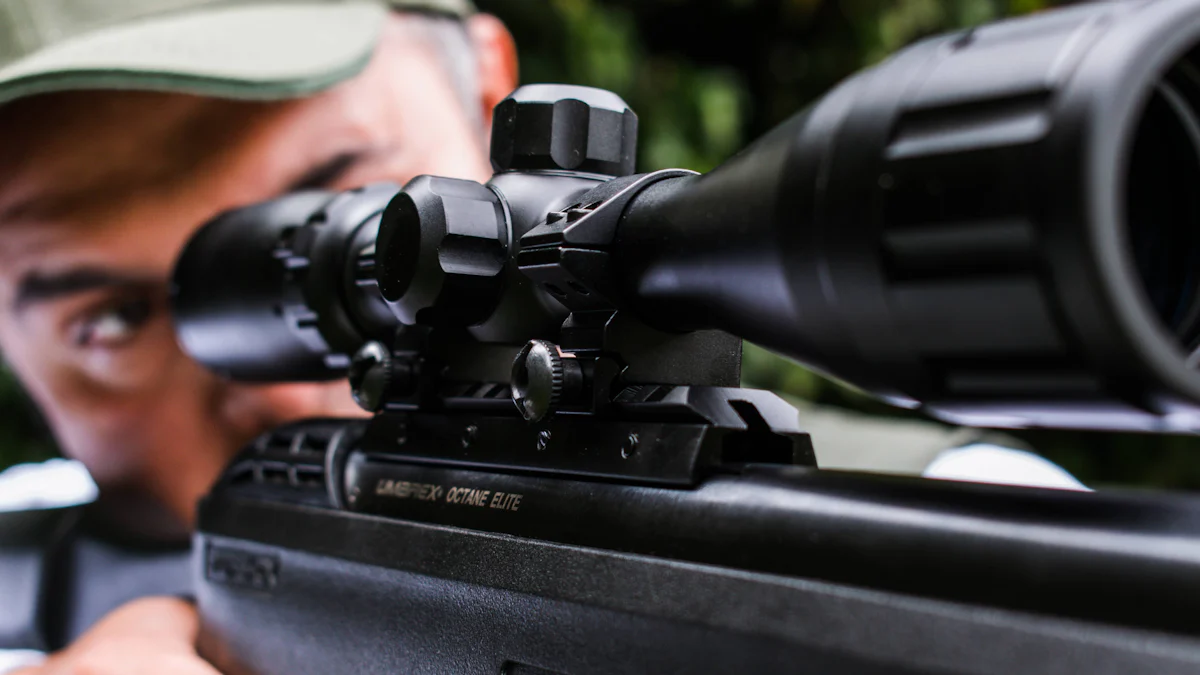
Selecting the right crossbow range scope can transform your hunting experience. Among the top choices, the Vortex Crossfire II stands out for its exceptional clarity and durability. The Ravin 450 Illuminated offers unmatched visibility in low-light conditions. For precision, the Garmin Xero X1i integrates a built-in rangefinder, while the TruGlo 4×32 Compact provides a budget-friendly yet reliable option. Tools like the Gabbay range scope further enhance accuracy with innovative features. A well-matched scope ensures precise shots, boosting both confidence and success in the field.
Key Takeaways
- Choosing the right crossbow scope can significantly enhance your hunting experience by improving accuracy and confidence.
- Consider your hunting environment: red dot scopes are ideal for close-range, while magnified scopes excel in long-range scenarios.
- The Vortex Crossfire II offers a great balance of performance and affordability, making it a top choice for many hunters.
- For low-light conditions, the Ravin 450 Illuminated scope provides excellent visibility, ensuring you can track your target at dawn or dusk.
- Tech-savvy hunters will appreciate the Garmin Xero X1i, which features a built-in rangefinder for precise distance measurement.
- Always ensure compatibility between your crossbow and scope to avoid misalignment and maximize performance.
- Investing in a quality crossbow scope tailored to your specific needs can transform your hunting outings into more effective and enjoyable experiences.
Types of Crossbow Scopes
Choosing the right crossbow scope can significantly impact your hunting performance. Each type of scope offers unique features tailored to specific needs. Let’s explore the three main types: red dot scopes, magnified scopes, and multi-reticle scopes.
Red Dot Scopes
Overview of red dot scopes and their ideal use cases.
Red dot scopes are designed for simplicity and speed. These scopes project a single red dot onto the lens, allowing hunters to aim quickly without aligning multiple points. They excel in close-range hunting scenarios where speed and accuracy are critical. For example, when tracking fast-moving game in dense woods, a red dot scope ensures you stay on target without delay.
"Red dot scopes are perfect for hunters who prioritize quick target acquisition over long-range precision."
Their lightweight design and ease of use make them a favorite among beginners and seasoned hunters alike.
Pros and cons of red dot scopes for hunting.
Pros:
- Quick target acquisition.
- Lightweight and compact design.
- Ideal for close-range hunting.
Cons:
- Limited effectiveness for long-range shots.
- Lack of magnification can hinder precision on distant targets.
- Battery dependency for illumination.
While red dot scopes shine in short-range scenarios, they may not suit hunters targeting game at extended distances.
Magnified Scopes
Overview of magnified scopes and their benefits for long-range shooting.
Magnified scopes bring distant targets into clear focus. These scopes feature adjustable magnification levels, making them ideal for hunters who need precision at varying distances. Whether you’re aiming at a small target or hunting in open fields, magnified scopes provide the clarity and detail required for accurate shots.
"Magnified scopes are the go-to choice for hunters who demand precision over long distances."
Their ability to zoom in on targets ensures that even the smallest details are visible, enhancing confidence during critical moments.
Best use cases for magnified scopes in hunting.
Magnified scopes work best in open terrains where long-range shots are common. They are also suitable for hunting smaller game, where precision is essential. For instance, if you’re hunting deer in a wide-open field, a magnified scope ensures you can accurately place your shot without getting too close.
Multi-Reticle Scopes
Explanation of multi-reticle scopes and their versatility.
Multi-reticle scopes feature multiple crosshairs or aiming points calibrated for different distances. This design allows hunters to adjust their aim quickly without manually estimating the drop of the arrow. These scopes combine versatility with precision, making them a popular choice for hunters who encounter varying shooting ranges.
"Multi-reticle scopes offer a balance of flexibility and accuracy, catering to diverse hunting conditions."
Unlike red dot scopes, they provide fixed calibration speeds, ensuring consistent performance across different distances.
Ideal scenarios for using multi-reticle scopes.
Multi-reticle scopes are perfect for hunters who face unpredictable shooting distances. For example, if you’re hunting in an area with both open fields and dense woods, this scope allows you to adapt seamlessly. Its versatility ensures you’re prepared for any situation, whether the target is near or far.
Top Crossbow Range Scopes Compared
Vortex Crossfire II
Key Features
The Vortex Crossfire II delivers exceptional performance at an affordable price. Its fully multi-coated lenses ensure optimal light transmission, providing a bright and clear view in various lighting conditions. The scope includes resettable MOA turrets for precise adjustments and a fast-focus eyepiece for quick target acquisition. Built with durability in mind, it features a shockproof, waterproof, and fog-proof design, making it reliable in harsh environments.
"High performance meets economical" perfectly describes the Crossfire II, as it combines quality with affordability.
Specifications (e.g., magnification, field of view, eye relief)
- Magnification: 2-7x
- Objective Lens Diameter: 32mm
- Eye Relief: 2.7 inches
- Weight: 14 ounces
- Tube Size: 30mm
These specifications make the Crossfire II versatile for both close-range and mid-range hunting scenarios.
Pros and Cons
Pros:
- Excellent clarity and brightness.
- Durable construction for rugged use.
- Long eye relief for comfortable viewing.
- Affordable price point.
Cons:
- Limited magnification range for long-distance shots.
- Slightly heavier compared to some competitors.
Best Use Cases
The Vortex Crossfire II excels in mid-range hunting situations. It’s ideal for hunters who need a reliable crossbow range scope without breaking the bank. Whether you’re targeting deer in open fields or smaller game in wooded areas, this scope ensures accuracy and confidence.
Ravin 450 Illuminated
Key Features
The Ravin 450 Illuminated stands out for its illuminated reticle, which enhances visibility in low-light conditions. This feature proves invaluable during dawn or dusk hunts. The scope also boasts a rugged build, ensuring it withstands the demands of outdoor adventures. Its precision-engineered optics deliver sharp and clear images, even at extended ranges.
Hunters often praise the Ravin 450 for its ability to perform exceptionally well in challenging lighting conditions.
Specifications (e.g., magnification, field of view, eye relief)
- Magnification: 1.5-5x
- Objective Lens Diameter: 32mm
- Eye Relief: 3.5 inches
- Weight: 12 ounces
The lightweight design and generous eye relief make it comfortable for prolonged use.
Pros and Cons
Pros:
- Illuminated reticle for low-light visibility.
- Lightweight and compact design.
- Durable and weather-resistant construction.
Cons:
- Higher price compared to non-illuminated scopes.
- Limited magnification range for extreme long-range shots.
Best Use Cases
The Ravin 450 Illuminated is perfect for hunters who frequently operate during early mornings or late evenings. Its illuminated reticle ensures you never lose sight of your target, even in dim conditions. This scope is particularly effective for medium-range hunting in dense woods or open fields.
Garmin Xero X1i
Key Features
The Garmin Xero X1i redefines innovation with its built-in rangefinder. This advanced feature calculates the exact distance to your target, eliminating guesswork and enhancing precision. The scope also includes an auto-ranging digital display, which adjusts for arrow drop, ensuring unparalleled accuracy. Its rugged design ensures it performs flawlessly in any environment.
"Outstanding and unlike any other crossbow scope on the market" aptly describes the Garmin Xero X1i.
Specifications (e.g., magnification, field of view, eye relief)
- Magnification: 3.5x
- Rangefinder Accuracy: +/- 1 yard
- Weight: 18 ounces
- Battery Life: Up to 1 year (depending on usage)
These features make it a top choice for tech-savvy hunters seeking precision.
Pros and Cons
Pros:
- Built-in rangefinder for precise distance measurement.
- Auto-ranging display for arrow drop compensation.
- Durable and weather-resistant design.
Cons:
- High price point.
- Heavier than traditional scopes.
Best Use Cases
The Garmin Xero X1i is ideal for hunters who demand cutting-edge technology. It’s perfect for long-range hunting where precision is critical. Whether you’re in open fields or mountainous terrain, this scope ensures every shot counts.
TruGlo 4×32 Compact
Key Features
The TruGlo 4×32 Compact offers a practical solution for hunters seeking a reliable crossbow range scope without overspending. Built from a single piece of aircraft-grade aluminum, this scope ensures durability while maintaining a lightweight design. Its fully-coated lenses enhance brightness and clarity, even in challenging lighting conditions. The duplex reticle simplifies target alignment, making it an excellent choice for beginners and seasoned hunters alike. Additionally, the waterproof and fog-proof construction guarantees consistent performance in unpredictable weather.
"The TruGlo 4×32 Compact delivers dependable performance at an unbeatable price point."
This scope also features fingertip windage and elevation adjustments, allowing precise calibration for accurate shots. Its compatibility with Weaver-Style 3/8 mounts further enhances its versatility.
Specifications (e.g., magnification, field of view, eye relief)
- Magnification: 4x
- Objective Lens Diameter: 32mm
- Eye Relief: 4 inches
- Weight: 11 ounces
- Reticle Type: Duplex
These specifications make the TruGlo 4×32 Compact a solid choice for short to mid-range hunting scenarios.
Pros and Cons
Pros:
- Affordable and budget-friendly.
- Durable, lightweight construction.
- Clear optics with fully-coated lenses.
- Waterproof and fog-proof design.
Cons:
- Limited magnification for long-range shots.
- Lacks advanced features found in premium scopes.
Best Use Cases
The TruGlo 4×32 Compact excels in short-range hunting situations, particularly within 50 yards. It’s ideal for hunters using older crossbows or those who prioritize simplicity and reliability. Whether you’re targeting small game or practicing in the field, this scope provides consistent accuracy without unnecessary complexity.
TenPoint EVO-X Marksman Elite
Key Features
The TenPoint EVO-X Marksman Elite represents precision and reliability tailored for crossbow enthusiasts. This scope features a variable speed and arrow drop-compensation setting, ensuring accuracy across a wide range of shooting distances. Its fully multi-coated lenses deliver exceptional clarity and brightness, even in low-light environments. Designed with ruggedness in mind, the scope includes a durable, shockproof, and weather-resistant build.
"The EVO-X Marksman Elite combines advanced technology with unmatched reliability for serious hunters."
This scope also incorporates an illuminated reticle with multiple brightness settings, enhancing visibility during dawn or dusk hunts.
Specifications (e.g., magnification, field of view, eye relief)
- Magnification: 2-8x
- Objective Lens Diameter: 40mm
- Eye Relief: 3.5 inches
- Weight: 15 ounces
- Reticle Type: Illuminated
These features make the EVO-X Marksman Elite a versatile option for hunters who demand precision.
Pros and Cons
Pros:
- Variable speed adjustment for diverse shooting needs.
- Illuminated reticle for low-light conditions.
- Durable and weather-resistant construction.
- High-quality optics for enhanced clarity.
Cons:
- Higher price point compared to basic scopes.
- Slightly heavier than other models.
Best Use Cases
The TenPoint EVO-X Marksman Elite is perfect for hunters who require adaptability in various terrains and lighting conditions. It performs exceptionally well in mid to long-range hunting scenarios, making it a top choice for deer hunting in open fields or wooded areas.
Burris Oracle X Rangefinder
Key Features
The Burris Oracle X Rangefinder redefines crossbow range scopes with its built-in rangefinder. This advanced feature calculates distances up to 250 yards, providing hunters with precise measurements for accurate shots. The fixed 3.5x magnification ensures a clear and steady view of the target. Its rugged design withstands harsh outdoor conditions, ensuring reliability in any environment.
"The Burris Oracle X sets a new standard for crossbow scopes with its integrated rangefinding technology."
This scope also allows custom bolt profiles, enabling hunters to tailor the settings to their specific equipment and preferences.
Specifications (e.g., magnification, field of view, eye relief)
- Magnification: 3.5x
- Rangefinder Accuracy: +/- 1 yard
- Weight: 20 ounces
- Battery Life: Up to 1 year (depending on usage)
These specifications highlight the Oracle X’s focus on precision and innovation.
Pros and Cons
Pros:
- Built-in rangefinder for accurate distance measurement.
- Customizable bolt profiles for tailored performance.
- Durable and weather-resistant design.
- Fixed magnification for steady targeting.
Cons:
- Heavier than traditional scopes.
- Premium price tag may deter budget-conscious hunters.
Best Use Cases
The Burris Oracle X Rangefinder is ideal for hunters who prioritize precision and technology. It excels in long-range hunting scenarios, particularly in open fields or mountainous terrains. This scope is a game-changer for those who value cutting-edge features and consistent accuracy.
How to Choose the Right Crossbow Scope
Magnification
Explanation of magnification levels and their importance.
Magnification plays a pivotal role in determining the effectiveness of your crossbow scope. It directly impacts how well you can see and aim at your target. Lower magnification, such as 1x to 4x, works best for close-range shots. It provides a wider field of view, allowing you to track moving targets with ease. On the other hand, higher magnification, typically 5x and above, is ideal for long-range hunting. It brings distant targets into sharp focus, ensuring precision even at extended distances.
"Choosing the right magnification for a crossbow scope is crucial for accurate shooting," as noted by Gun University. This decision can significantly influence your hunting success.
Variable-power scopes offer flexibility by allowing you to adjust the magnification based on your shooting distance. For instance, if you’re hunting in an open field, increasing the magnification helps you spot and aim at distant game. Conversely, in dense woods, lower magnification ensures quick target acquisition.
How to choose the right magnification for your hunting needs.
To select the appropriate magnification, consider your typical hunting environment. If you often hunt in areas with limited visibility, such as forests, opt for a scope with lower magnification. For hunters who prefer open terrains or need to shoot at varying distances, a variable-power scope is a wise investment. According to Deer and Deer Hunting, upgrading to a variable-power scope enhances accuracy by allowing precise calibration of arrow speed to the scope.
Evaluate your hunting style and the type of game you pursue. Smaller targets or longer distances demand higher magnification for precision. However, always balance magnification with ease of use to ensure a seamless hunting experience.
Reticle Type
Overview of different reticle types (e.g., illuminated, non-illuminated).
Reticle type is another critical factor when choosing a crossbow scope. The reticle serves as the aiming point, and its design can vary significantly. Illuminated reticles use light to enhance visibility, making them ideal for low-light conditions like dawn or dusk. Non-illuminated reticles, while simpler, perform well in bright daylight and require no batteries.
Some scopes feature duplex reticles, which are straightforward and easy to use. Others include more advanced designs, such as multi-reticle systems, offering multiple aiming points calibrated for different distances. These are particularly useful for hunters who encounter varying shooting ranges.
Choosing the best reticle type for specific hunting conditions.
Your hunting conditions should guide your choice of reticle. If you frequently hunt during early mornings or late evenings, an illuminated reticle ensures you can see your target clearly. For daytime hunting, a non-illuminated reticle provides simplicity and reliability without the need for power sources.
Multi-reticle systems are excellent for hunters who face unpredictable distances. They allow quick adjustments without estimating arrow drop manually. Consider your hunting environment and personal preferences to determine the reticle type that aligns with your needs.
Durability and Weather Resistance
Importance of durability in hunting scopes.
Durability is essential for any hunting scope. A robust scope withstands the rigors of outdoor use, including accidental drops and rough handling. Hunting often involves challenging conditions, so your scope must endure without compromising performance. A durable scope ensures consistent accuracy, even after prolonged use.
As highlighted by Field and Stream, "Consistency in accuracy is crucial for a pleasurable and efficient shooting experience." A durable scope contributes significantly to this consistency.
Features to look for in weather-resistant scopes.
Weather resistance is equally important. Look for scopes labeled as waterproof, fog-proof, and shockproof. These features protect the internal components from moisture, temperature changes, and physical impact. Scopes with nitrogen-purged or O-ring-sealed designs prevent fogging, ensuring clear visibility in humid or cold conditions.
Materials also matter. Aircraft-grade aluminum provides a lightweight yet sturdy construction. Coated lenses enhance clarity while resisting scratches. When selecting a crossbow range scope, prioritize models designed to perform reliably in all weather conditions.
Compatibility with Crossbows
Ensuring the scope fits your crossbow model
Selecting a crossbow scope that fits your specific crossbow model is critical for achieving optimal performance. Each crossbow has unique specifications, such as speed ratings, mounting systems, and bolt trajectory, which directly influence scope compatibility. I always recommend starting by checking the speed rating of your crossbow. Most scopes, like the Bear X Speed Crossbow Scope, are designed to accommodate a range of speeds. For instance, this scope works seamlessly with crossbows ranging from 205 to 430 fps, making it a versatile choice for many hunters.
Another key factor is the mounting system. Crossbows typically use either Picatinny or Weaver-style rails. Before purchasing, confirm that the scope you’re considering matches the rail system on your crossbow. For example, the Hawke Sport Optics 12221 is compatible with standard mounting systems and offers an etched reticle calibrated for precise shooting up to 100 yards. This ensures a secure fit and reliable performance.
"A poorly matched scope can lead to misalignment, reduced accuracy, and frustration in the field," as many experienced hunters will attest.
Tips for checking compatibility before purchasing
To ensure compatibility, follow these steps before making a purchase:
-
Review the Manufacturer’s Specifications
Always start by reading the product manual or specifications for both your crossbow and the scope. Look for details like speed compatibility, mounting requirements, and reticle calibration. For example, the Vortex Crossfire II offers a versatile design that works well with a wide range of crossbows due to its adjustable magnification and durable build. -
Test Fit Before Finalizing
If possible, test the scope on your crossbow before buying. Many retailers allow in-store fittings to confirm proper alignment and secure mounting. This step helps avoid issues like improper eye relief or misaligned reticles. -
Consult with Experts or Forums
Reach out to hunting experts or join online forums to gather insights. Hunters often share valuable feedback about which scopes pair best with specific crossbow models. For instance, users frequently praise the Bear X Speed Crossbow Scope for its adaptability and ultra-clear glass, making it a reliable option for various setups. -
Consider Adjustable Features
Opt for scopes with adjustable settings, such as variable speed dials or customizable reticles. These features enhance compatibility across different crossbow models. The Hawke Sport Optics 12221, with its etched reticle and excellent eye relief, exemplifies this adaptability.
By taking these steps, you can ensure that your chosen scope not only fits your crossbow but also enhances your hunting experience. A well-matched scope eliminates guesswork, allowing you to focus on precision and success in the field.
Crossbow Scopes vs Rifle Scopes
Key Differences
Explanation of differences in design, functionality, and purpose.
Crossbow scopes and rifle scopes serve distinct purposes due to the differences in the weapons they are designed for. A crossbow scope is specifically engineered to handle the unique mechanics of a crossbow. It accounts for the slower speed and shorter range of bolts compared to bullets. These scopes often feature range marks along the vertical reticle, which help hunters estimate the drop of the bolt over varying distances. Additionally, crossbow scopes typically have a fixed parallax setting closer to the shooter, ensuring accuracy at shorter ranges.
Rifle scopes, on the other hand, are built for firearms that shoot bullets at much higher speeds and over longer distances. They often include features like bullet drop compensation (BDC) to match the trajectory of bullets. However, rifle scopes are not designed to withstand the recoil generated by a crossbow. This recoil differs from that of a rifle and can damage a rifle scope if used improperly.
"Crossbow scopes excel in close-range precision, while rifle scopes are tailored for long-range accuracy."
Why crossbow scopes are better suited for crossbows.
Crossbow scopes are better suited for crossbows because they are purpose-built for the weapon's unique characteristics. For instance, many crossbow scopes incorporate vari-speed technology, allowing hunters to adjust the scope to match the speed of their crossbow bolts. This ensures consistent accuracy regardless of the bolt's velocity. Furthermore, crossbow scopes are designed to endure the specific recoil pattern of a crossbow, which rifle scopes cannot handle effectively.
The magnification on crossbow scopes also caters to the shorter effective range of crossbows. Most crossbow scopes offer lower magnification levels, such as 1.5x to 5x, which provide a clear and wide field of view for close-range hunting. This makes them ideal for tracking and targeting game in dense woods or other confined environments.
Can Rifle Scopes Be Used on Crossbows?
Pros and cons of using rifle scopes on crossbows.
Using a rifle scope on a crossbow may seem like a convenient option, but it comes with significant drawbacks. Let’s break down the pros and cons:
Pros:
- Rifle scopes often have higher magnification levels, which can be useful for long-range shots.
- They are widely available and come in various price ranges, offering more options for hunters.
Cons:
- Rifle scopes are not designed to handle the unique recoil of a crossbow, which can lead to damage or misalignment.
- The parallax settings on rifle scopes are optimized for longer distances, making them less accurate for the shorter ranges typical of crossbow hunting.
- Lack of range marks calibrated for bolts makes estimating arrow drop challenging.
"While rifle scopes may offer versatility, their design limitations make them less effective and potentially unreliable on crossbows."
Situations where rifle scopes might be a viable option.
In rare cases, a rifle scope might work on a crossbow, but only under specific conditions. For example, if you are using a low-recoil crossbow and shooting at longer distances, a rifle scope with adjustable parallax and magnification could provide some benefits. However, this setup requires careful calibration and may still lack the precision of a dedicated crossbow range scope.
Hunters who already own a high-quality rifle scope and want to experiment with it on a crossbow might find it useful for target practice. However, I would not recommend relying on a rifle scope for serious hunting scenarios. The risk of damage and reduced accuracy outweighs any potential advantages.
Selecting the right crossbow range scope can make or break your hunting success. The Vortex Crossfire II offers clarity and durability, while the Ravin 450 Illuminated excels in low-light conditions. For tech-savvy hunters, the Garmin Xero X1i provides unmatched precision with its built-in rangefinder. Budget-conscious hunters will appreciate the reliability of the TruGlo 4×32 Compact. Matching a scope to your specific needs ensures accuracy and confidence in every shot. A well-chosen scope transforms your hunting experience, making each outing more effective and enjoyable.
FAQ
Can you use a rifle scope on a crossbow?
Yes, you can technically use a rifle scope on a crossbow. However, I wouldn’t recommend it. Crossbow scopes are specifically designed for the unique mechanics of crossbows, including their recoil and shorter range. Rifle scopes, on the other hand, are built for bullets that travel faster and farther. With so many excellent crossbow-specific scopes available today, there’s no reason to compromise your accuracy by using a rifle scope.
"Trying to make do with a rifle scope doesn’t make much sense these days," as many experienced hunters would agree.
Are crossbow and rifle scopes the same?
Not at all. Crossbow and rifle scopes serve different purposes. A crossbow scope features reticles calibrated for the slower speed and shorter range of bolts. Rifle scopes, in contrast, are designed for bullets that travel at much higher speeds and over longer distances. Using the wrong scope can lead to poor performance and frustration in the field.
"A crossbow scope is like a Tesla, while a rifle scope is like a Ford F-150. Both are vehicles, but they’re built for entirely different jobs."
Can I put any scope on my crossbow?
You can, as long as the scope fits your crossbow’s rings and mounts. But why would you? Crossbow scopes are specifically engineered for crossbows, ensuring better accuracy and durability. Using a rifle scope or any other type of scope might work, but it won’t deliver the same level of performance. Trust me, investing in a proper crossbow scope will make a world of difference.
"Putting a random scope on your crossbow is like putting ketchup on pizza—it’s possible, but it’s not a good idea."
What is the best crossbow scope?
From my experience, the Vortex Crossfire II stands out as the best overall crossbow scope. It offers a great balance of affordability, magnification, and glass quality. While it may not excel in any single category, it performs well across the board. If you’re looking for a reliable and versatile option, this scope is hard to beat.
"You can’t do much better than the Vortex Crossfire II for its price and performance."
Why do crossbows need specific scopes?
Crossbows generate a unique recoil pattern that differs from rifles. When I fire my crossbow, I feel two stages of recoil: one rearward, like a rifle, and another forward, like a bow. Crossbow scopes are designed to handle this dual-direction recoil, ensuring durability and accuracy. Rifle scopes, however, are not built for this and may fail under the stress.
"Crossbow scopes are better equipped to handle the unique demands of crossbow hunting."
Do most crossbows come with a scope?
Yes, most modern crossbows include a scope as part of the package. Manufacturers usually pair their crossbows with scopes that match the weapon’s specifications. However, the included scope may not always be the best fit for your specific hunting needs. Understanding the differences between multi-reticle and variable-power scopes can help you decide if an upgrade is necessary.
"The standard scope that comes with your crossbow is often sufficient, but knowing your options can help you make the best choice."
Can I use a crossbow scope for deer hunting?
Absolutely. Crossbow scopes are designed to enhance accuracy, making them ideal for deer hunting. Multi-reticle scopes, for example, allow you to adjust for varying distances, which is crucial when targeting deer in different terrains. If your crossbow came with a scope, it’s likely suitable for deer hunting, but upgrading to a higher-quality model can improve your experience.
"A good crossbow scope ensures you’re ready for any hunting scenario, whether in dense woods or open fields."
How do I know if a scope fits my crossbow?
To ensure compatibility, check the scope’s specifications against your crossbow’s requirements. Look for details like speed ratings, mounting systems, and reticle calibration. Many crossbow scopes, such as the Hawke Sport Optics 12221, are designed to fit a wide range of models. Testing the scope on your crossbow before purchasing can also help confirm a proper fit.
"A well-matched scope eliminates guesswork and enhances your hunting accuracy."
Are illuminated reticles worth it?
Illuminated reticles can be a game-changer, especially in low-light conditions. They enhance visibility during dawn or dusk hunts, ensuring you never lose sight of your target. If you frequently hunt in dim lighting, an illuminated reticle is worth considering. However, for daytime hunting, a non-illuminated reticle may suffice.
"Illuminated reticles provide an edge when visibility is limited, making them a valuable feature for serious hunters."
What should I prioritize when choosing a crossbow scope?
Focus on key factors like magnification, reticle type, durability, and compatibility. Consider your typical hunting environment and style. For example, if you hunt in dense woods, a scope with lower magnification and quick target acquisition works best. In open fields, higher magnification ensures precision at longer distances. Always choose a scope that aligns with your specific needs.
"The right scope transforms your hunting experience, boosting both confidence and success."